Environmental Social Governance
Suntop is recognised as one of the leading ESG-focused retail fixture suppliers in our industry, with multiple awards and honours from customers, industry associations and government agencies. Our long-term sustainable development strategy is to built around clear Environmental, Social and Governance (ESG) principles, which guide how we design, source, manufacture and operate. The following pillars set out how we turn those principles into concrete actions across environmental responsibility, social commitment and governance integrity.
Environmental
- Solar power systems
- Take-back and repurpose programme
- Sustainable materials
-
Suntop has installed solar panels in its factories to promote energy savings and reduce emissions. The Xiamen headquarters generates about 800,000 kWh annually, while the Changtai factory produces around 710,000 kWh, collectively reducing carbon emissions by approximately 1,248 tons.

-
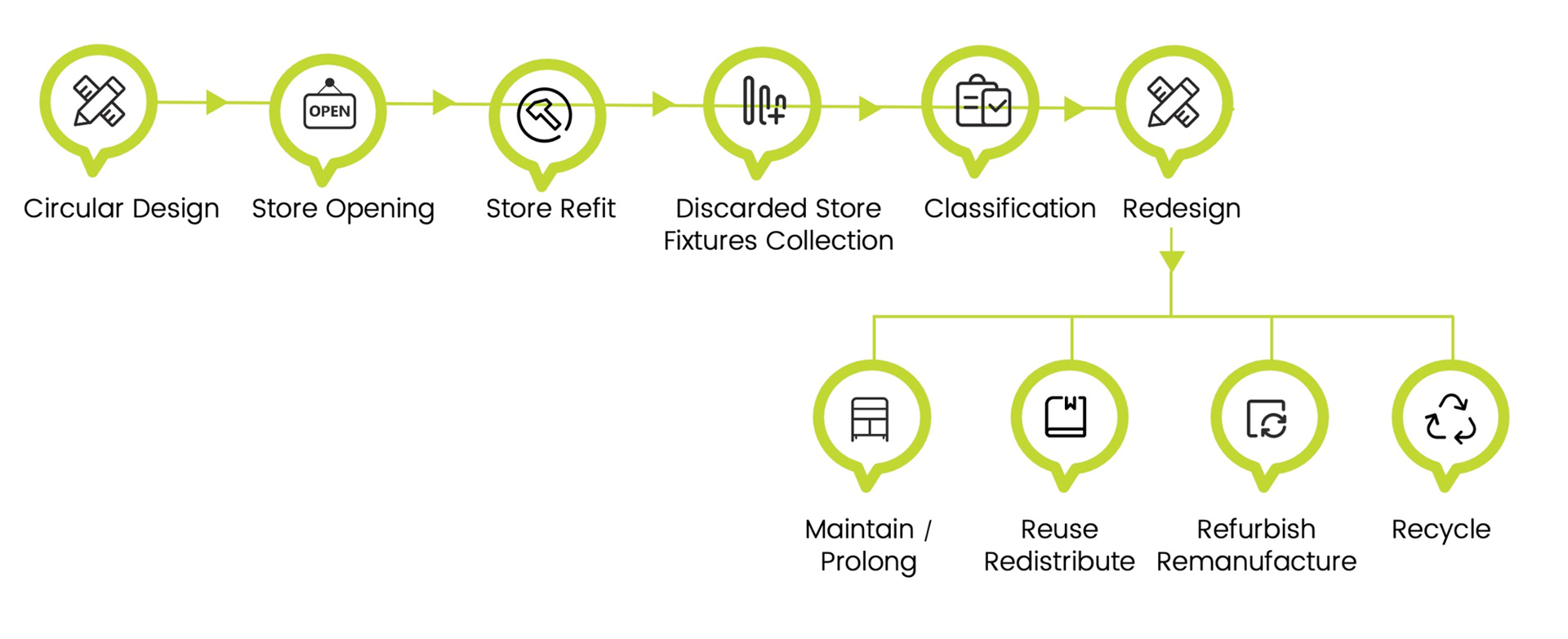
Suntop's circularity design process is essential to our commitment to creating sustainable fixtures that respect the environment and meet client needs. By embracing circular design principles, collaborating with stakeholders, and conducting life cycle analyses, we minimise waste and enhance resource efficiency in every project. Our iterative approach, including prototyping and testing, guarantees that our products are both durable and eco-friendly. Ultimately, we aim to close the loop on resource use through refurbishment and recycling, enabling brands to forge sustainable connections with their customers while contributing to a healthier planet.
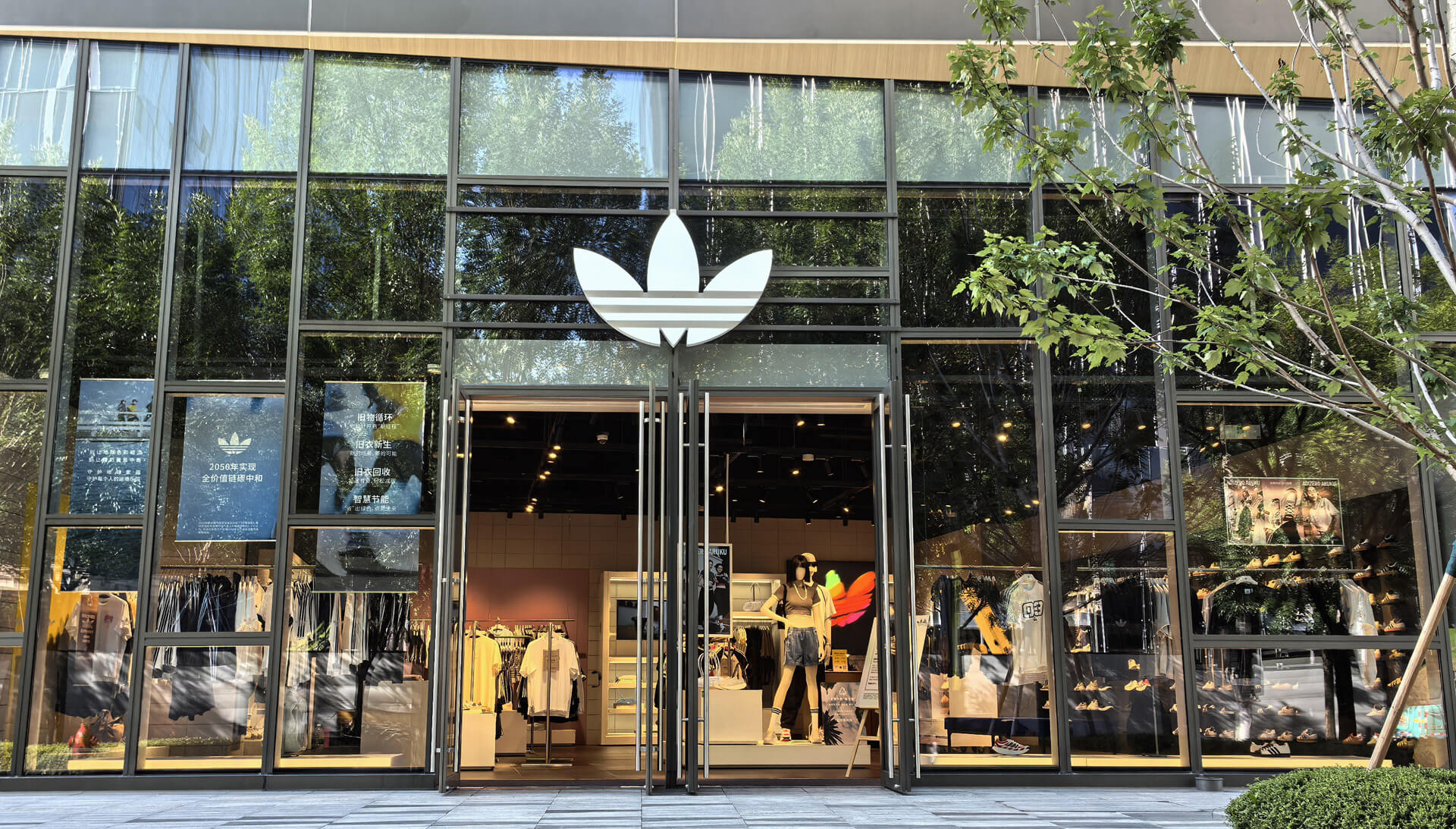
Since 2023, we have taken back fixtures from over 6,500 retired adidas stores in Mainland China to recycle, remanufacture, and reuse
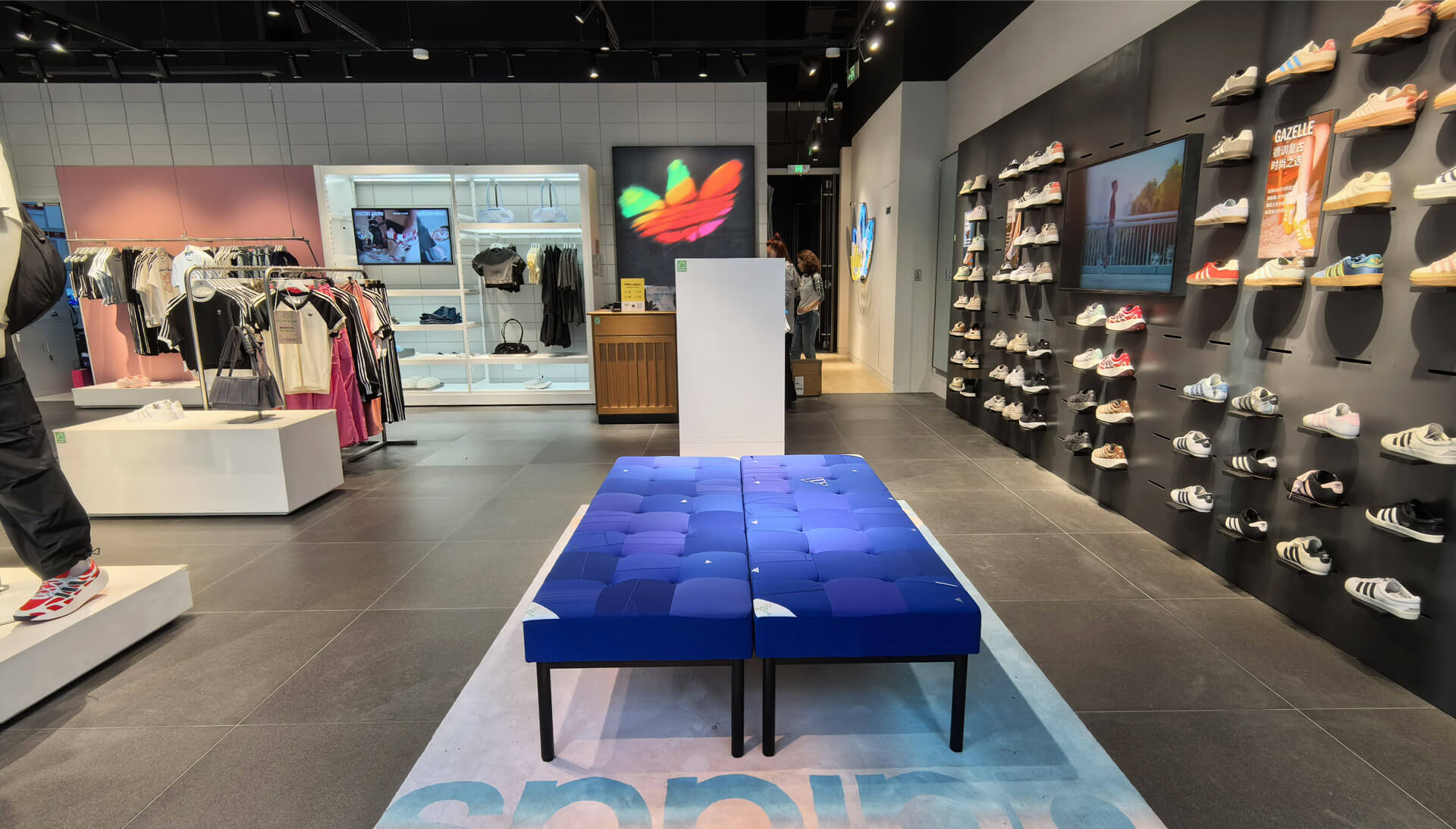
Over 7,750 tons of recovered steel fixtures resulted in a reduction of approximately 13,950 tons of CO2 emissions
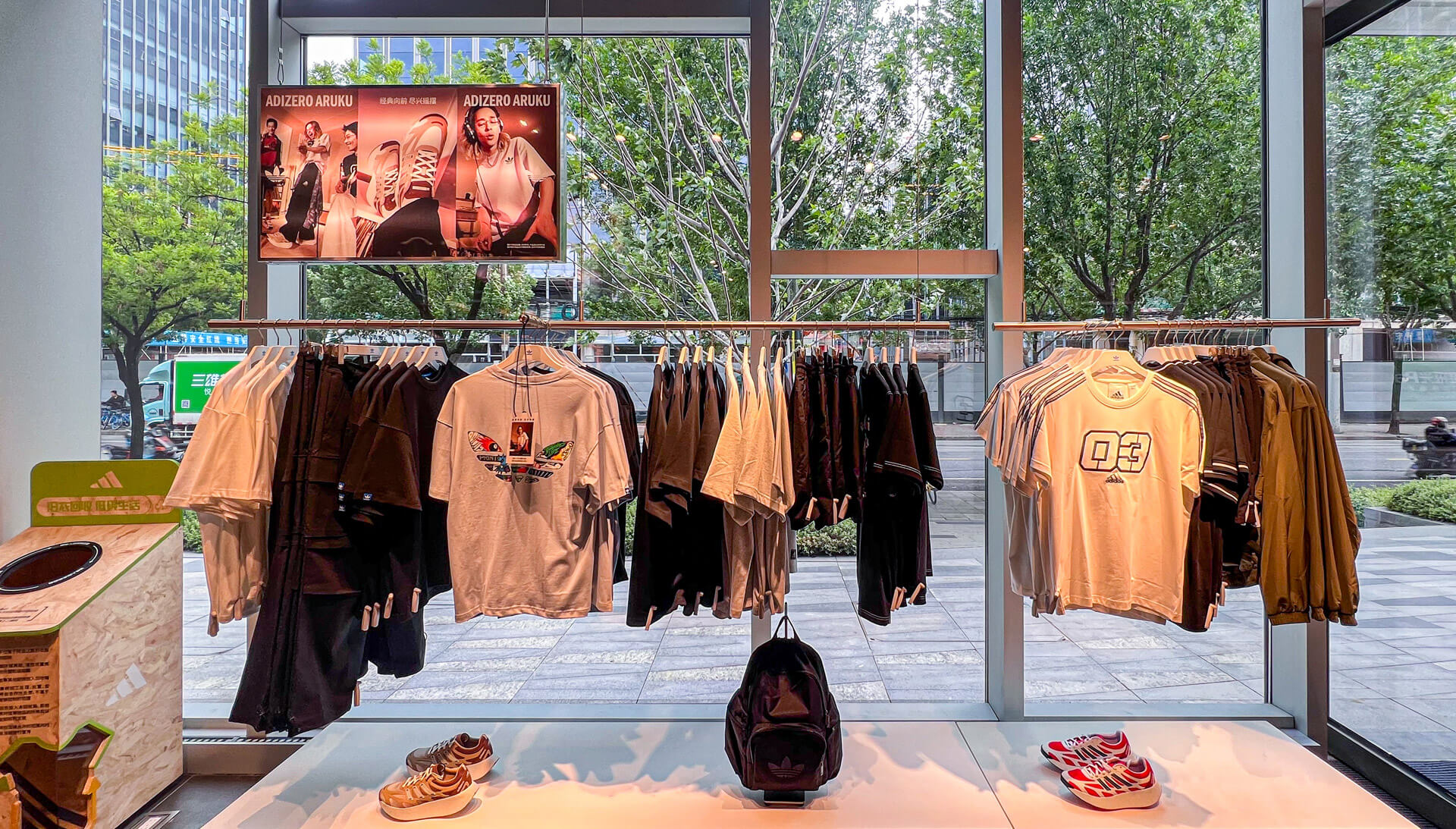
After remanufacturing, these fixtures gained a new lease of life and are now used in over 90 adidas stores
Since 2023, we have taken back fixtures from over 6,500 retired adidas stores in Mainland China to recycle, remanufacture, and reuse
Over 7,750 tons of recovered steel fixtures resulted in a reduction of approximately 13,950 tons of CO2 emissions
After remanufacturing, these fixtures gained a new lease of life and are now used in over 90 adidas stores
-
We encourage our clients to use sustainable materials such as aluminium, bamboo boards, and palm wood boards wherever possible. Aluminium is highly durable and can be recycled repeatedly without loss of quality, typically using less energy and generating fewer emissions than the recycling of steel for similar uses. Bamboo boards, made from fast-growing renewable bamboo, and palm wood boards, produced from sustainably managed palm fibres, both reduce reliance on traditional timber while turning underused resources into functional materials with distinctive natural textures. Together, these materials provide practical, attractive options that support lower-impact, more circular fixture design.

Reusing 1 ton of aluminium can save about 13,300 kWh of energy and reduce carbon emissions by approximately 12 tons
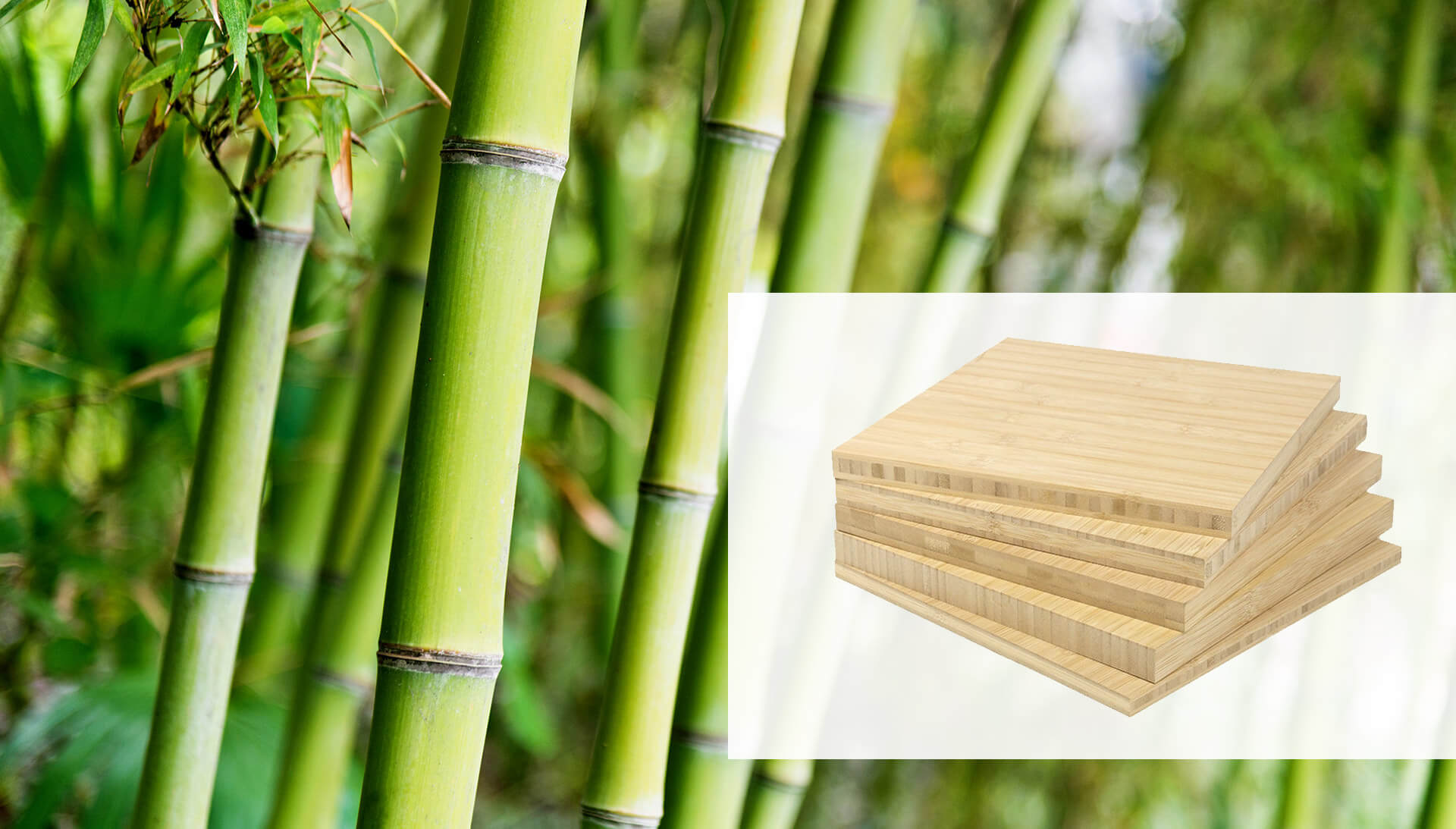
Bamboo panels: Derived from fast-growing renewable bamboo, reduce dependence on forests.

Palm panels: Sourced from sustainably managed palm fibers, waste repurpose.
Reusing 1 ton of aluminium can save about 13,300 kWh of energy and reduce carbon emissions by approximately 12 tons
Bamboo panels: Derived from fast-growing renewable bamboo, reduce dependence on forests.
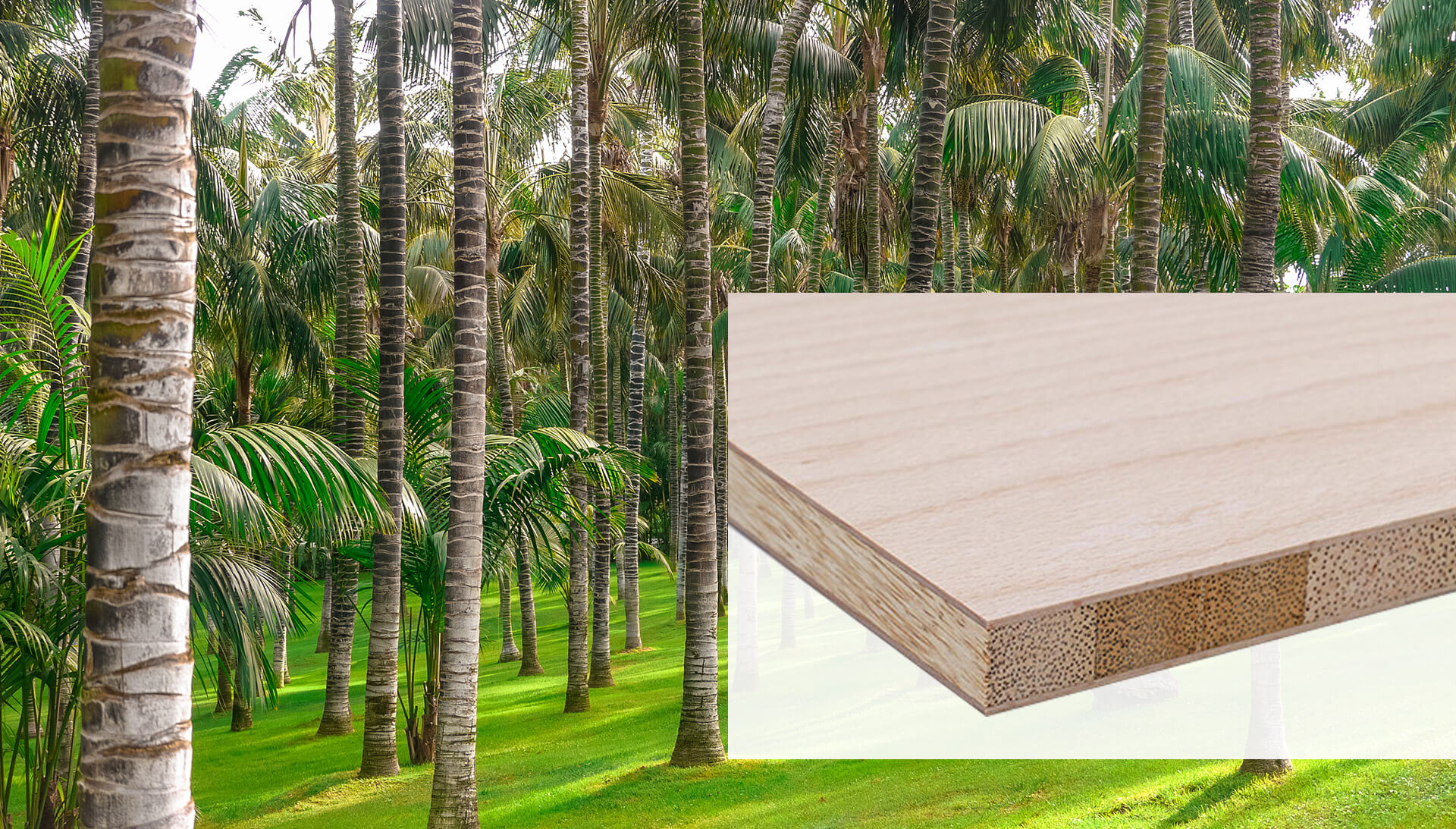
Palm panels: Sourced from sustainably managed palm fibers, waste repurpose.
Social
- Charity programme
- Xiamen–Anxi Chamber of Commerce Youth Committee
- Xiamen Straits Federation for Sustainable Business
- Sunshine Youth Development Centre
- Guanyinshan Low-Carbon Library
-
Mr Li Hongze, Founder and Chief Executive Officer of Suntop, is also the founding member of the Hongfu Charity Association, which he has led for two consecutive terms as its first and second President. Established to help and support the rural community in his hometown, the Association has remained committed to standardised, transparent and sustainable philanthropic practices. Its governance framework and management mechanisms are continually refined to ensure that every donation is used openly, lawfully and with maximum efficiency.
Leading by example, Mr Li and his immediate family actively participate in charitable work, setting a strong benchmark for others. The Association also mobilises community support and integrates wider social resources. Focusing on support for persons with disabilities and vulnerable groups, poverty alleviation, educational sponsorship, critical illness assistance and eldercare services, it has developed a diverse portfolio of public welfare programmes, steadily expanding its social impact.
As at December 2025, the Hongfu Charity Association had raised approximately US$1 million in donations and investment income, and had invested about US$500,000 in charitable initiatives. These efforts have supported more than 810 beneficiaries and cases in need, demonstrating a strong sense of social responsibility and underscoring the company and family's long-term and unwavering commitment to public welfare.
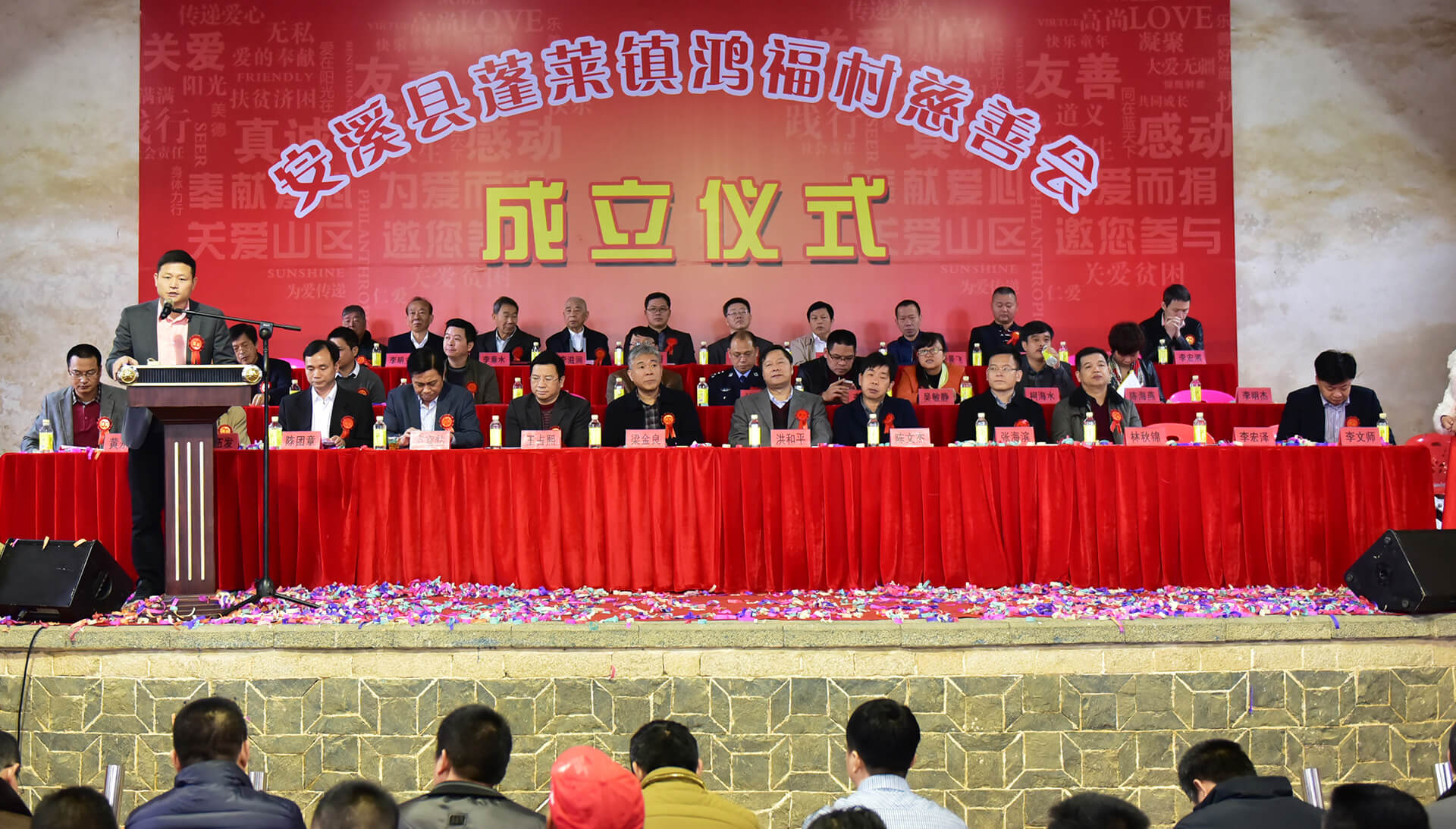
Our CEO delivers the opening address at the Hongfu Village Charity Event, hosted by the charity organisation he co-founded
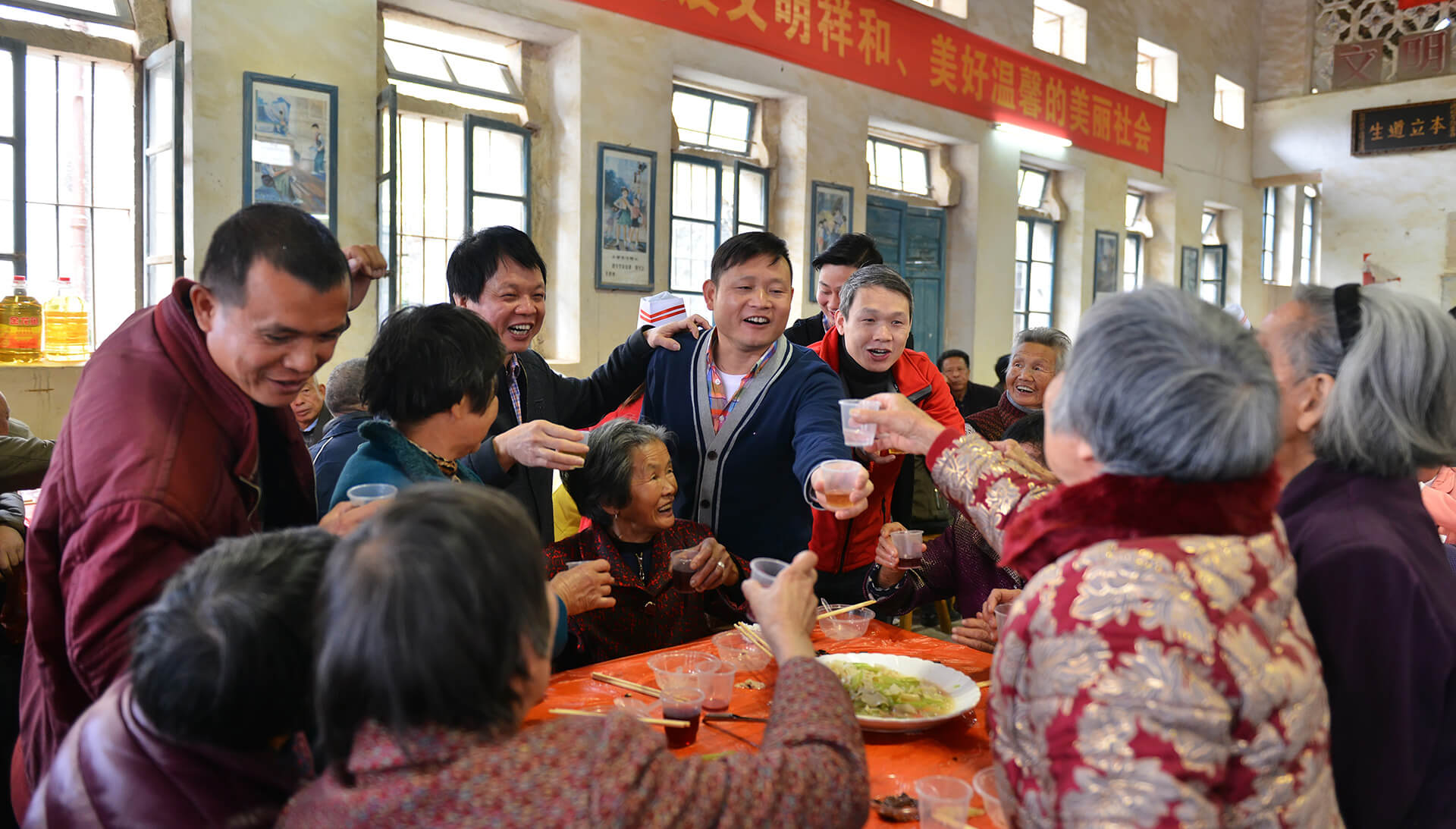
Winter Solstice banquet with our elderly community
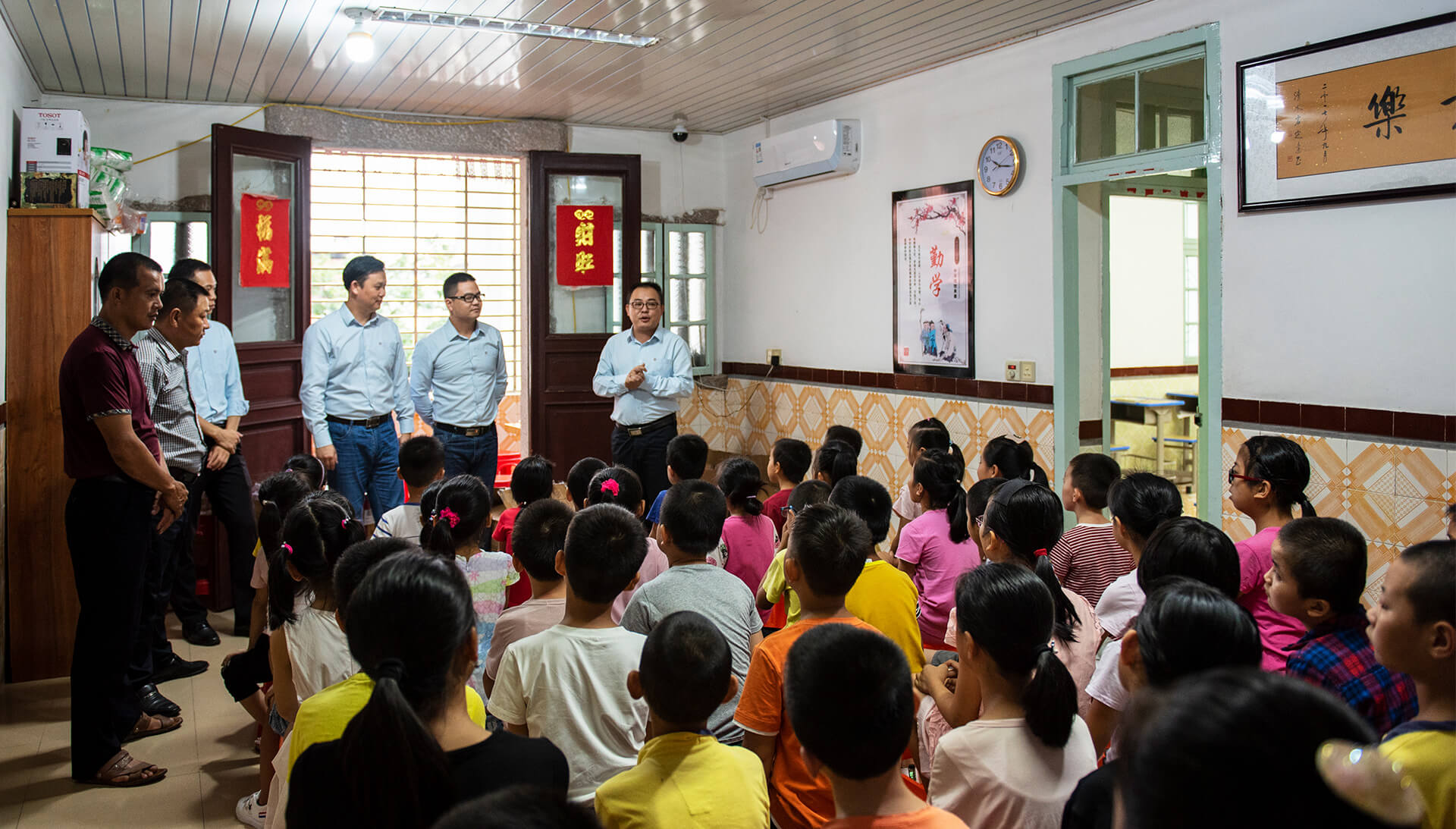
Regular visits to Hongci Primary school's tuition centre to offer moral support and gifts

Reaching out and extending a helping hand to our community

The leadership team paid a courtesy visit to the residents of the Hongfu Village
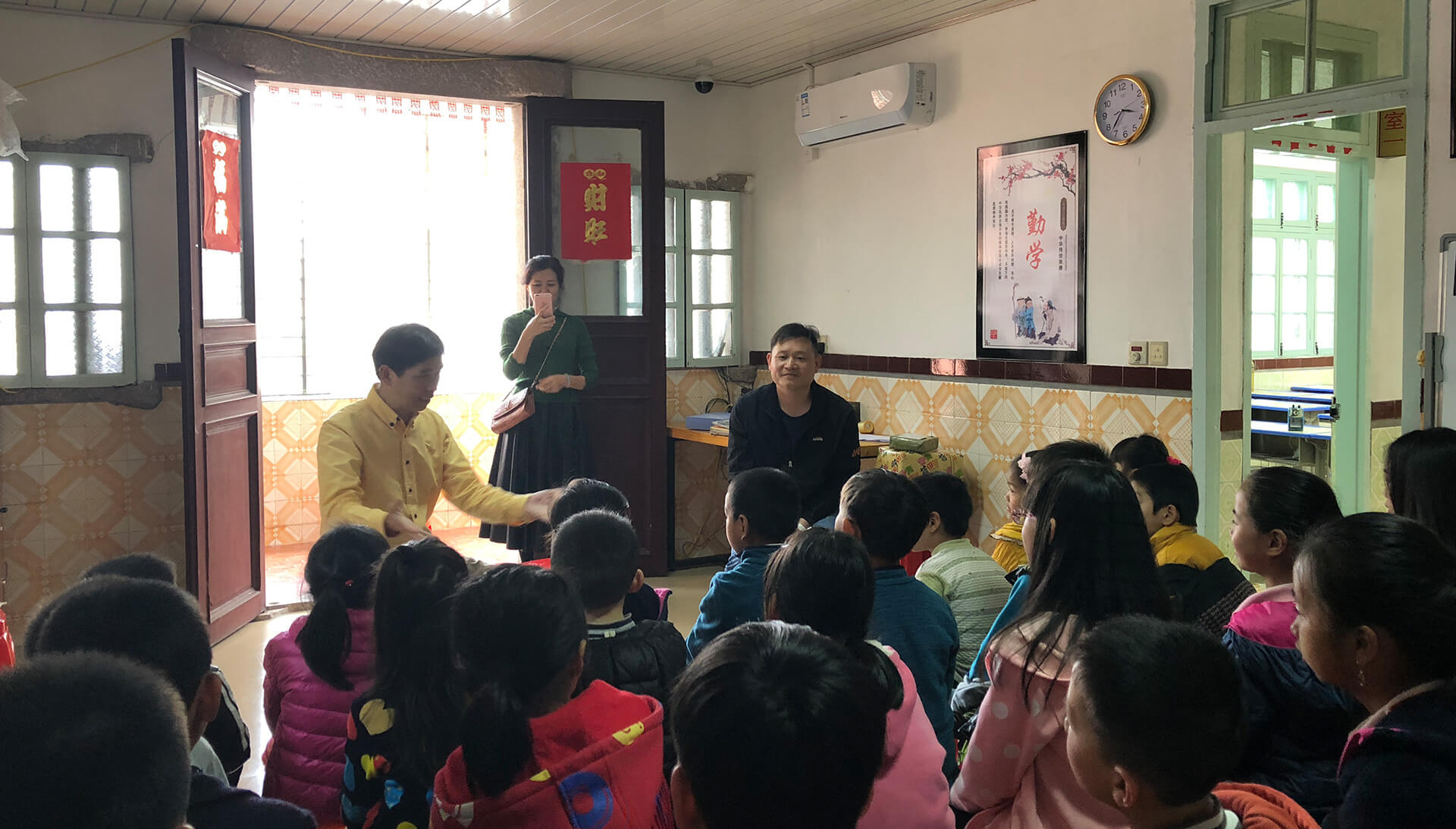
Organised visits by renowned educators to inspire Hongci Primary School teachers and students
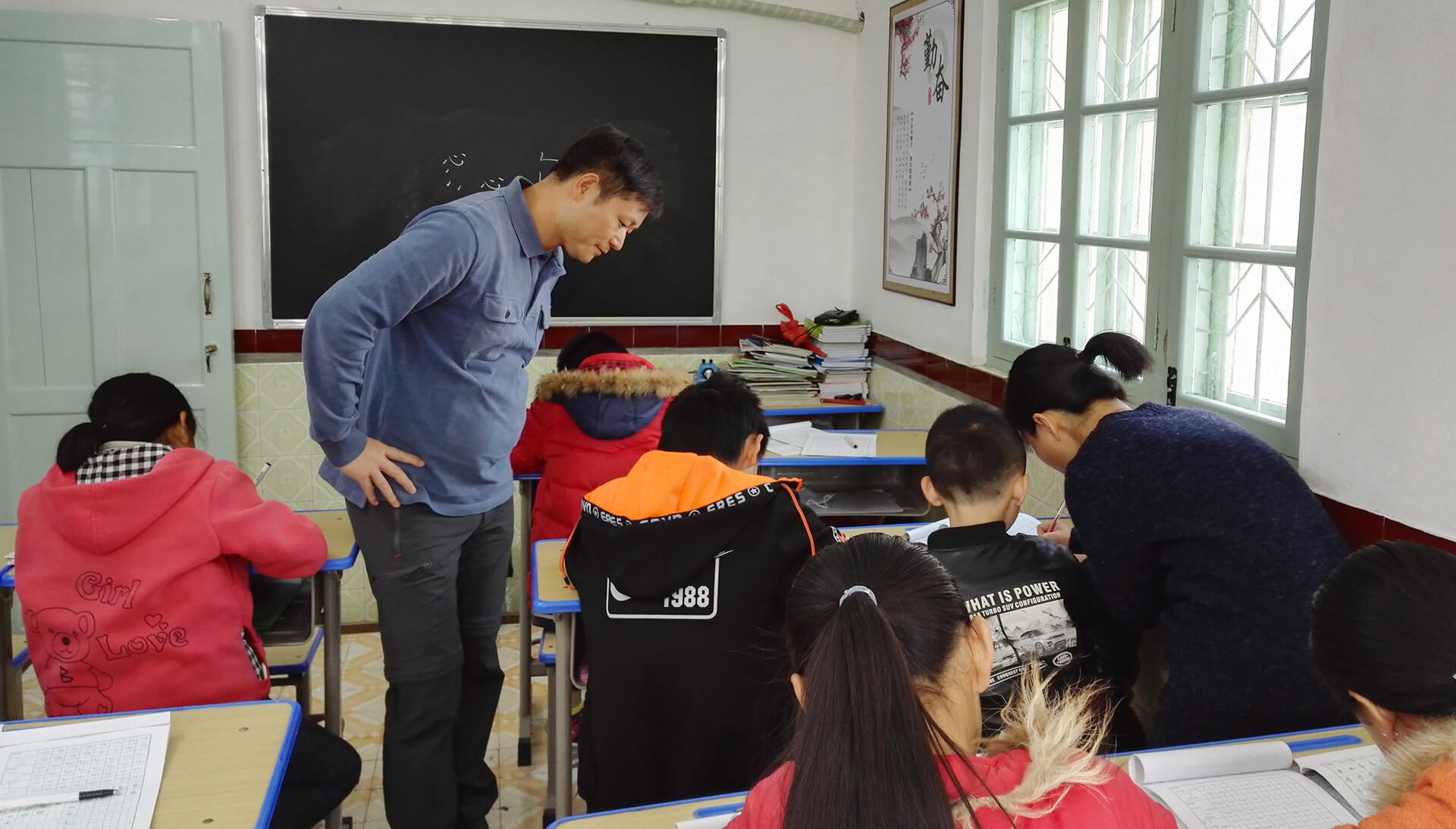
Establishment of Hongci Primary School Service Station
-
Suntop is active in grooming future business leaders as part of our broader ESG commitment. Our CEO serves on the board of the Xiamen–Anxi Chamber of Commerce Youth Committee, using the Chamber as a platform to connect young people of Anxi heritage worldwide, strengthen their ties with their hometown and pool collective strength for shared development. He has led educational delegations to Central Asia, Africa and the Middle East, giving young entrepreneurs first-hand exposure to different regulatory environments, business practices and cultural nuances. Aligned with the Chamber's mission of "Innovate Together for a Win–Win Future," we promote an entrepreneurial spirit of resilience and diligence, encourage young members to align with national economic priorities and innovation, and leverage the Chamber's talent and resource advantages to support the growth of youth-led enterprises.
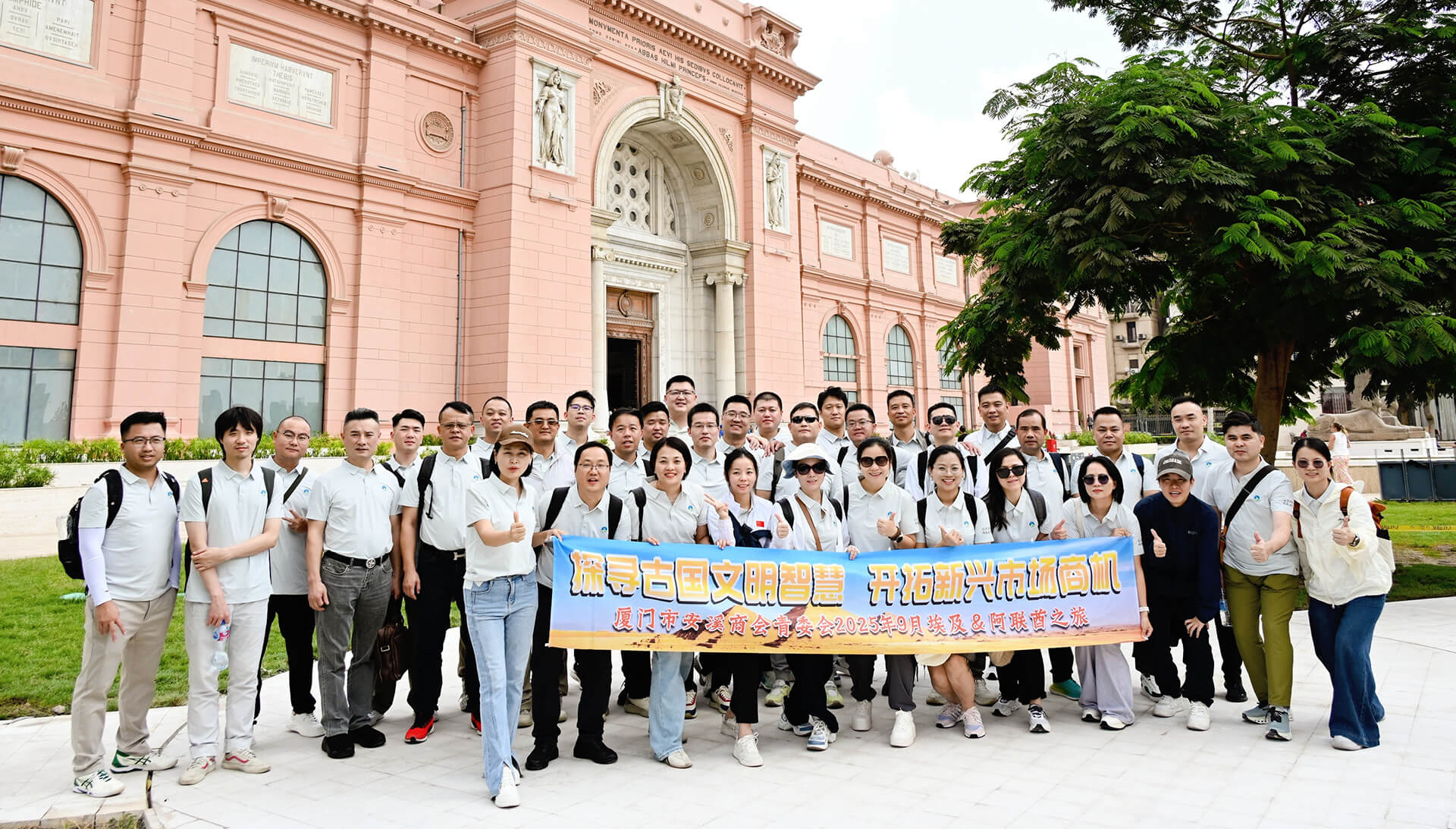
Led Market Immersion trip to Egypt

Led Market Immersion trip to Dubai
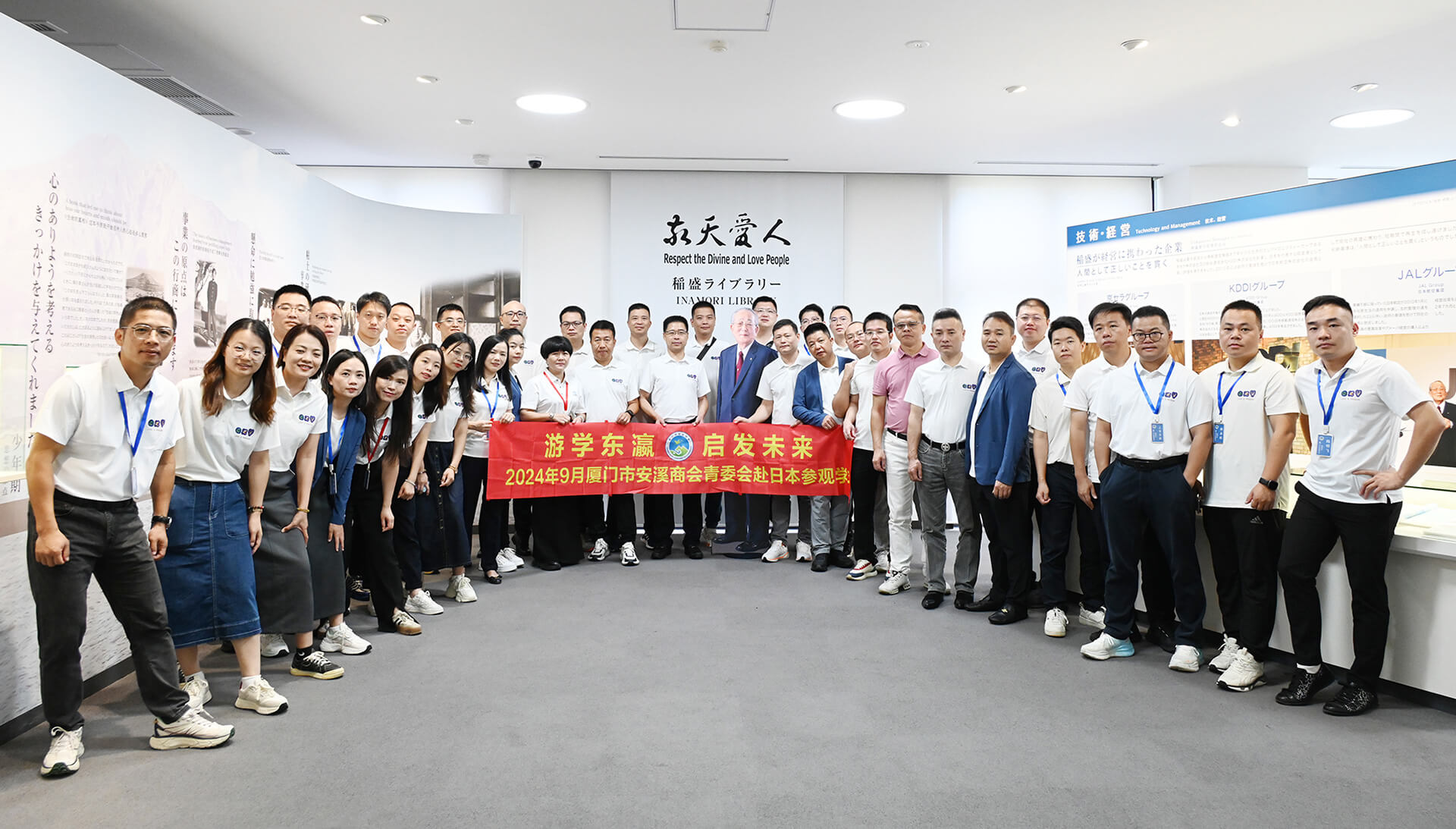
Led Chamber of Commerce Youth Committee to Japan
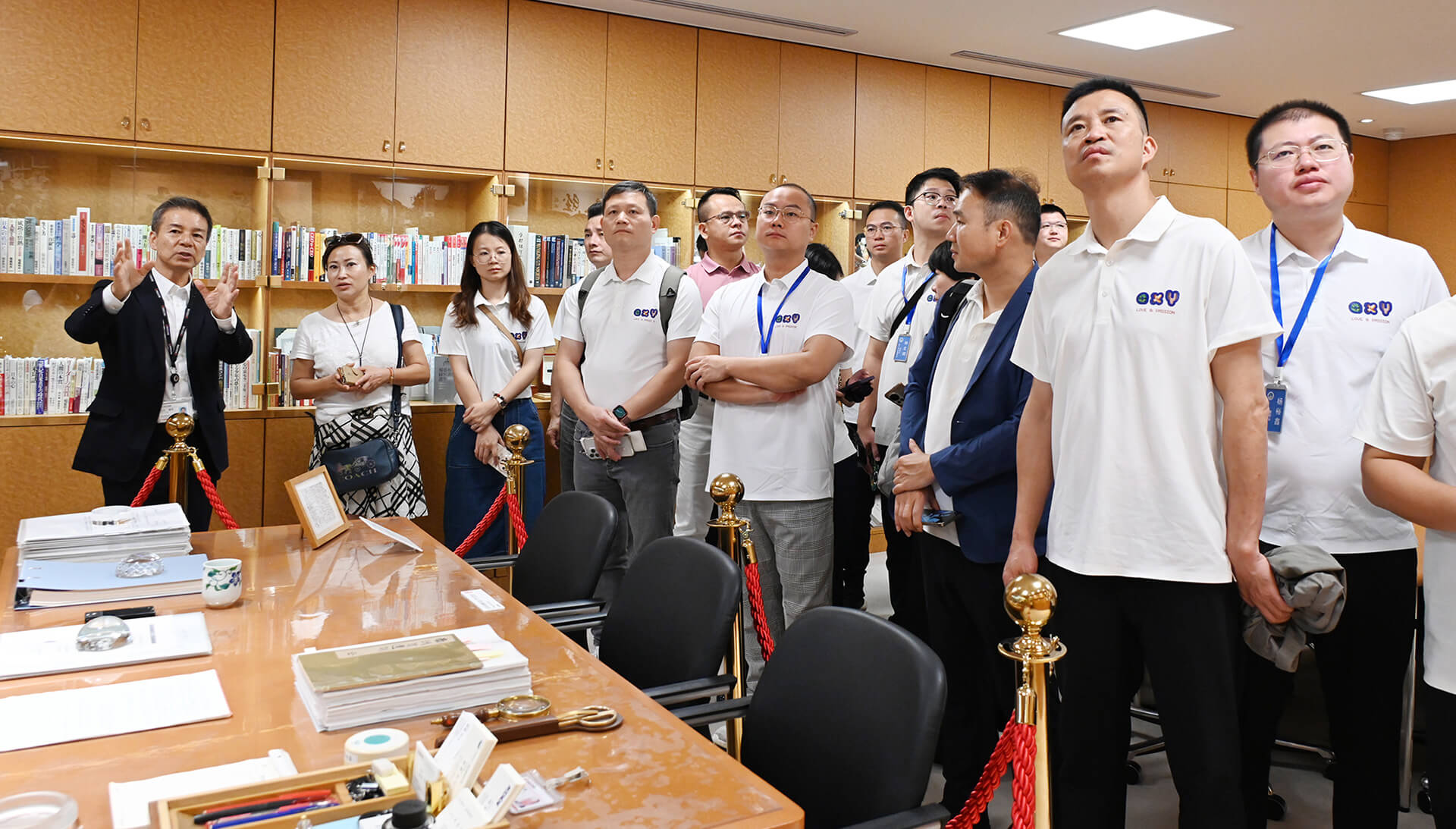
Led Chamber of Commerce Youth Committee to Japan
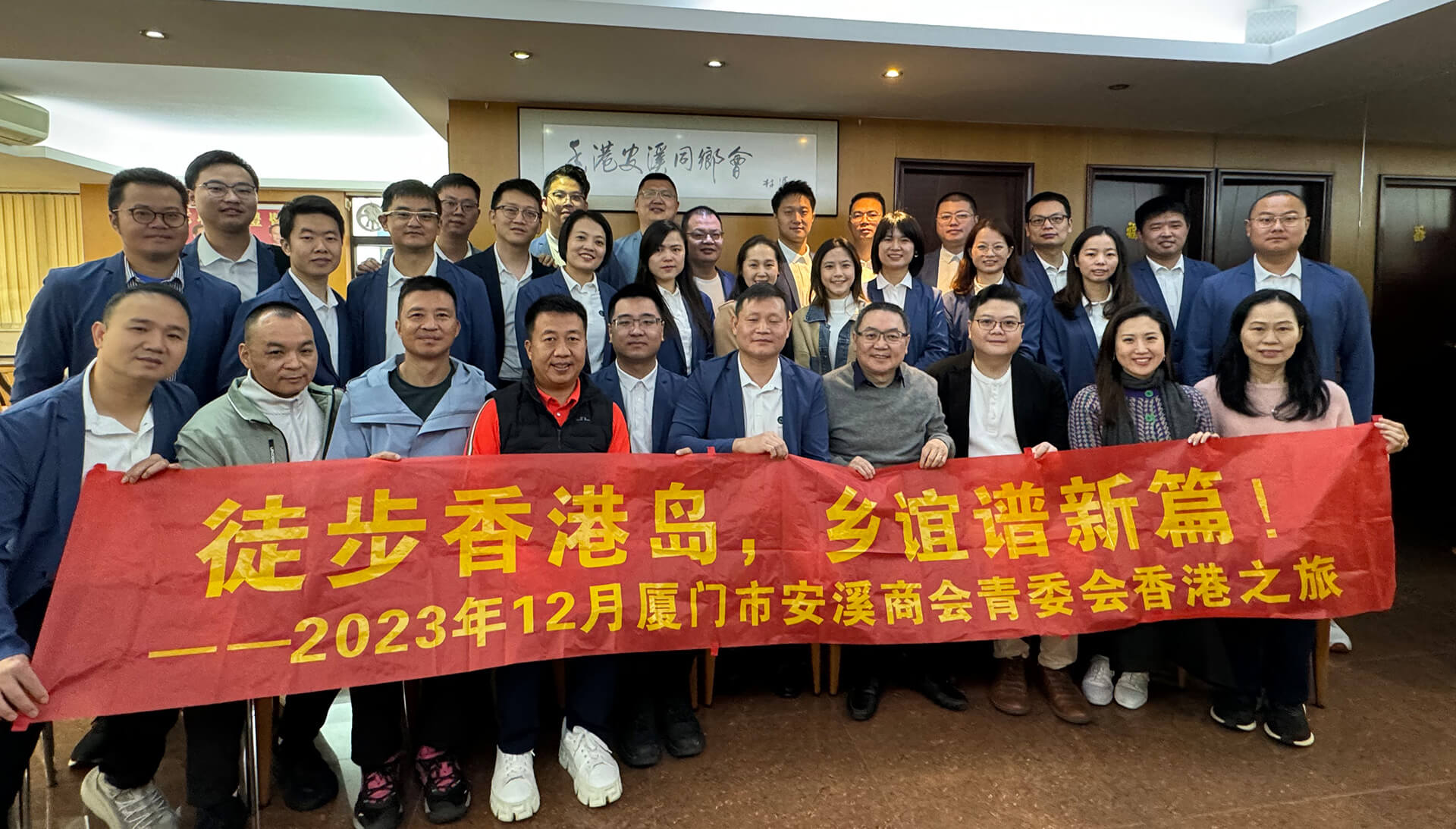
Hong Kong Fellowship Exchange
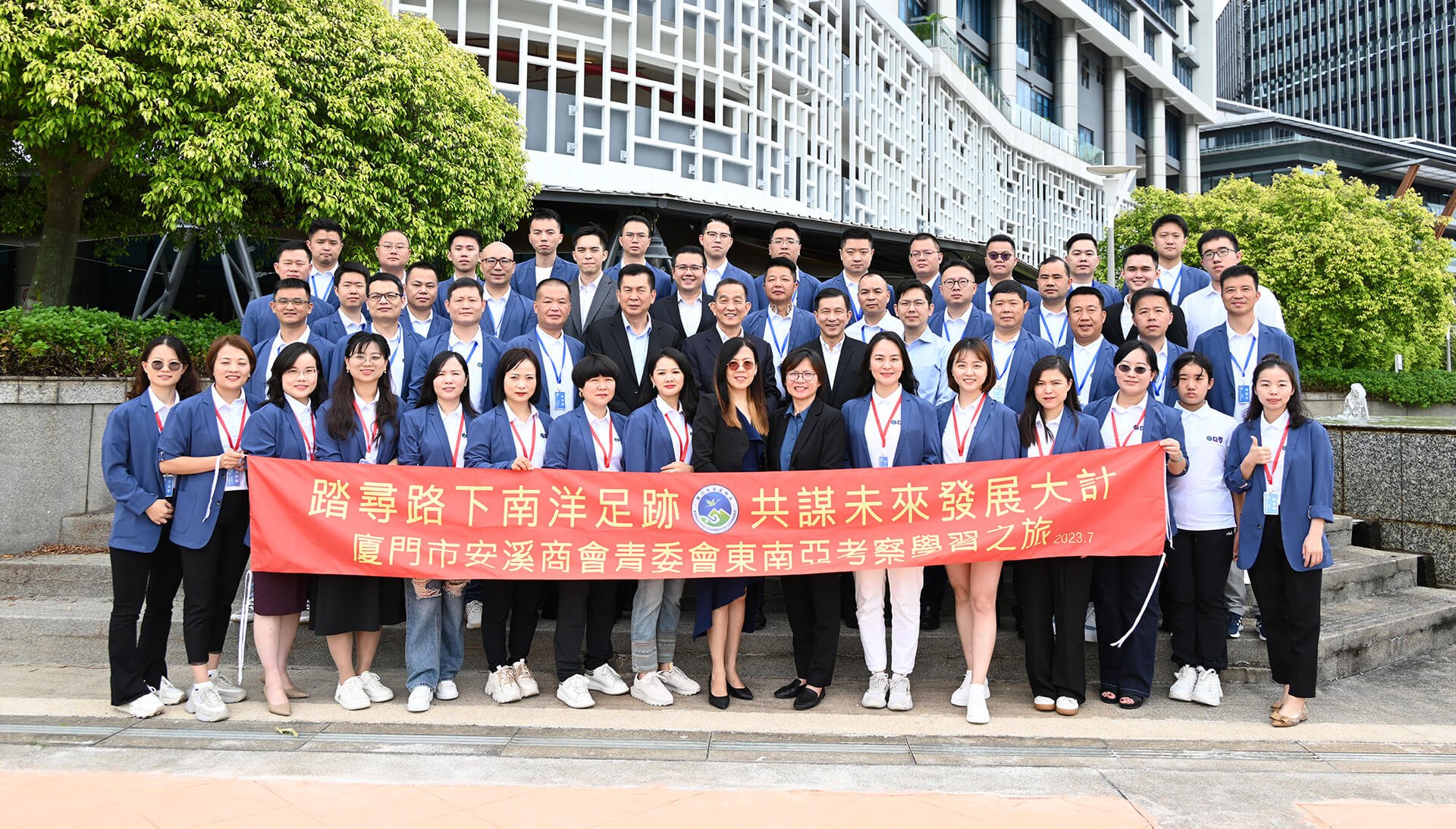
Southeast Asia Study and Inspection Tour
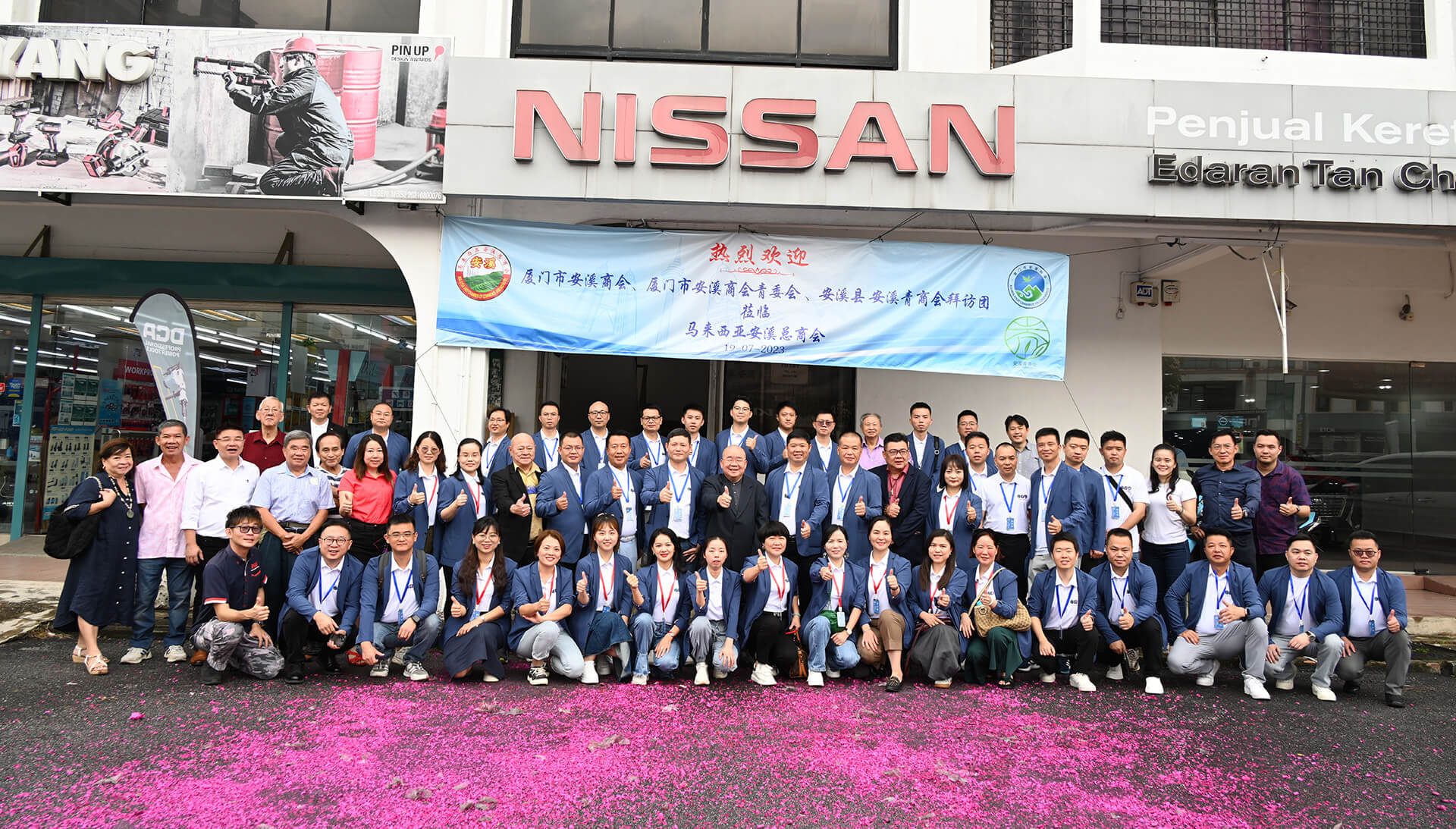
Southeast Asia Study and Inspection Tour
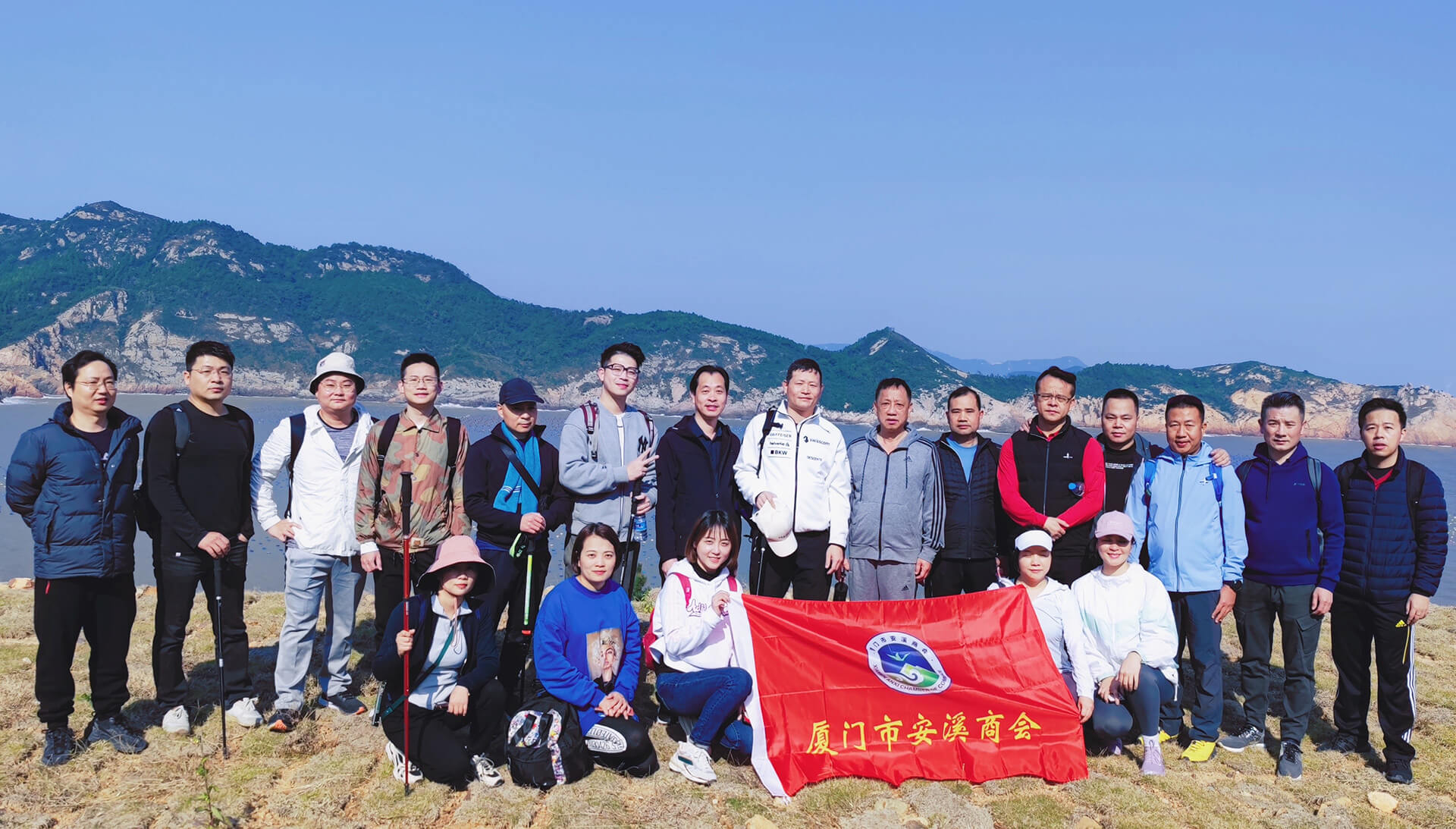
Led Xiamen-Anxi Chamber of Commerce Youth Committee for immersion programme in Ningde
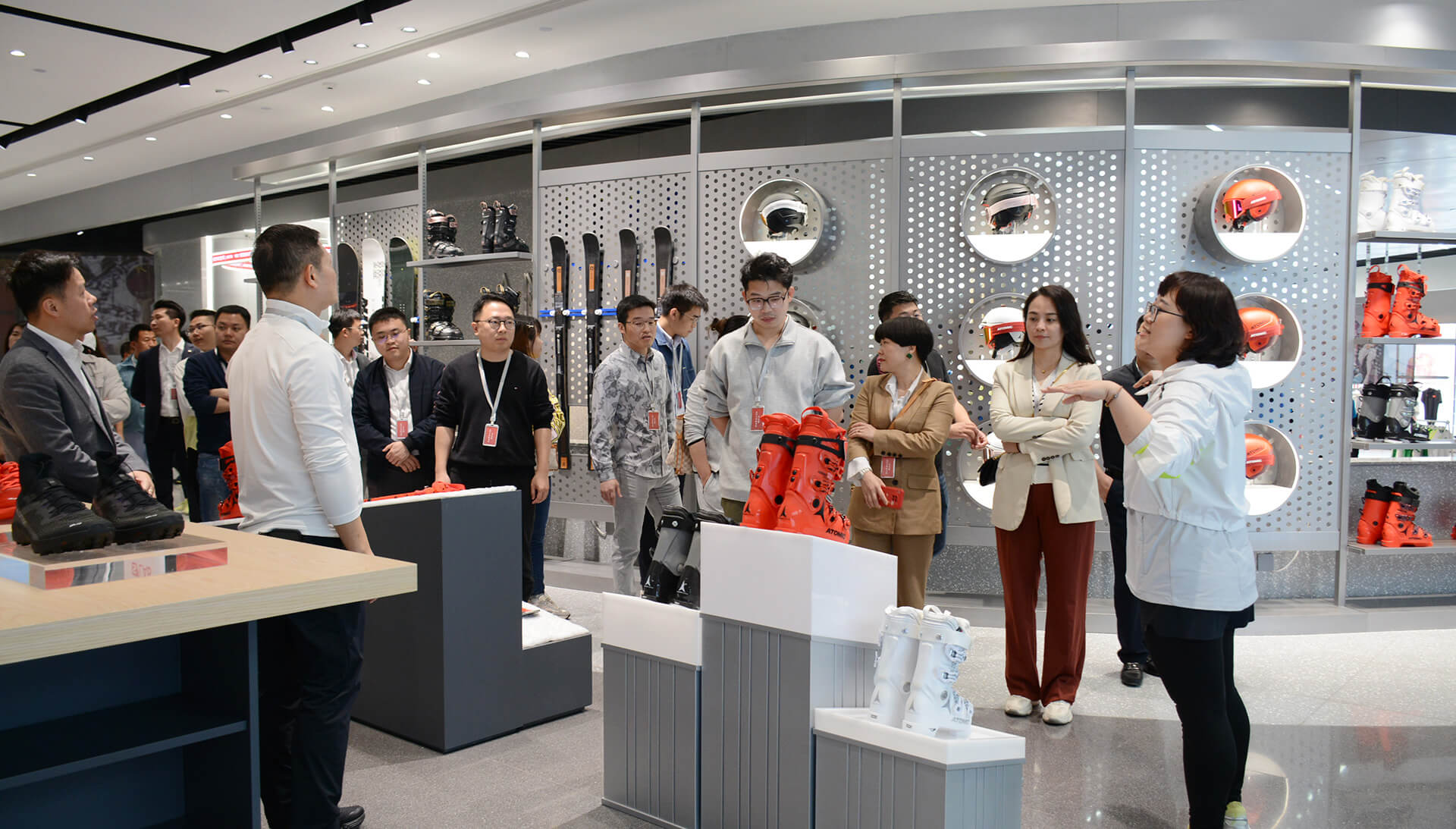
Organised Youth Members for a Study Tour in Jinjiang

Led Xiamen-Anxi Chamber of Commerce Youth Committee to organise AI trainings for leading companies
-
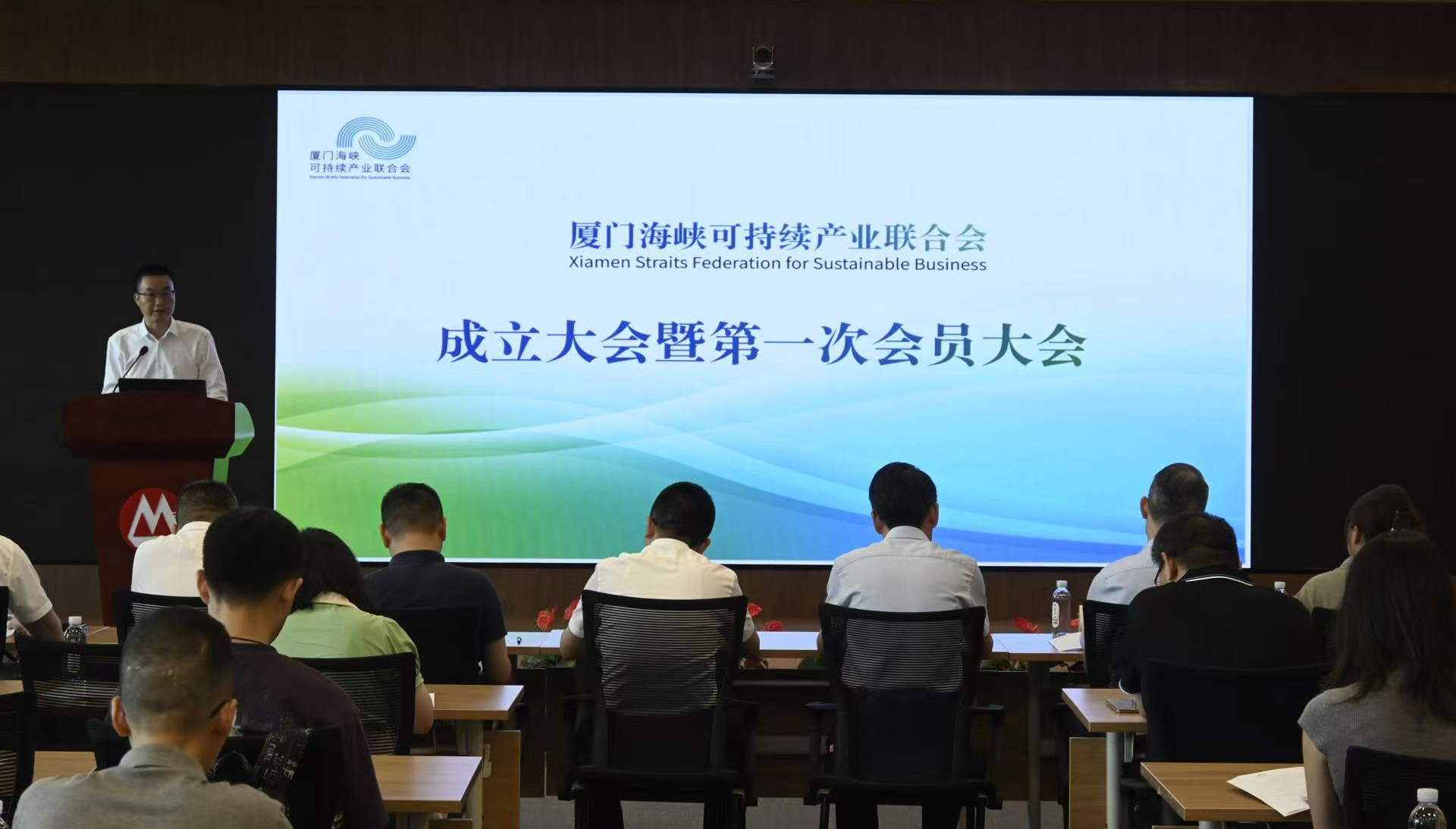
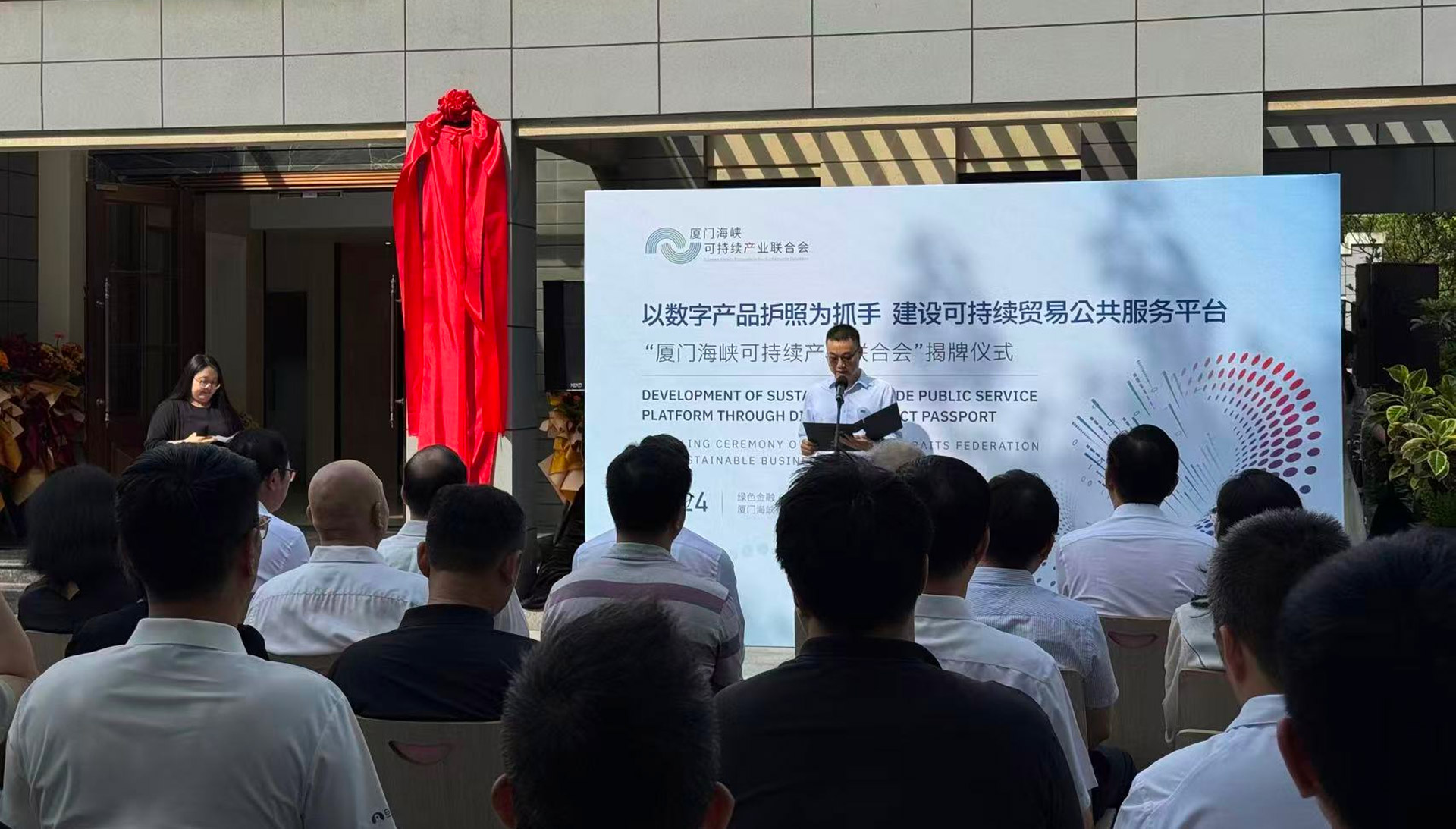
In June 2025, Suntop participated as a core founding member in the establishment of the Xiamen Strait Sustainable Industry Association. Mr. Li Hongze, Founder and Chief Executive Officer of Suntop, was elected Vice President of the Association's inaugural council by the General Assembly of members. This appointment reflects strong recognition from society of the Company's commitment to sustainable development and ESG practices. Looking ahead, the Company will actively engage in the Association's initiatives, working closely with partners to promote sustainable industry development, green finance innovation, and high-quality regional economic transformation.
-
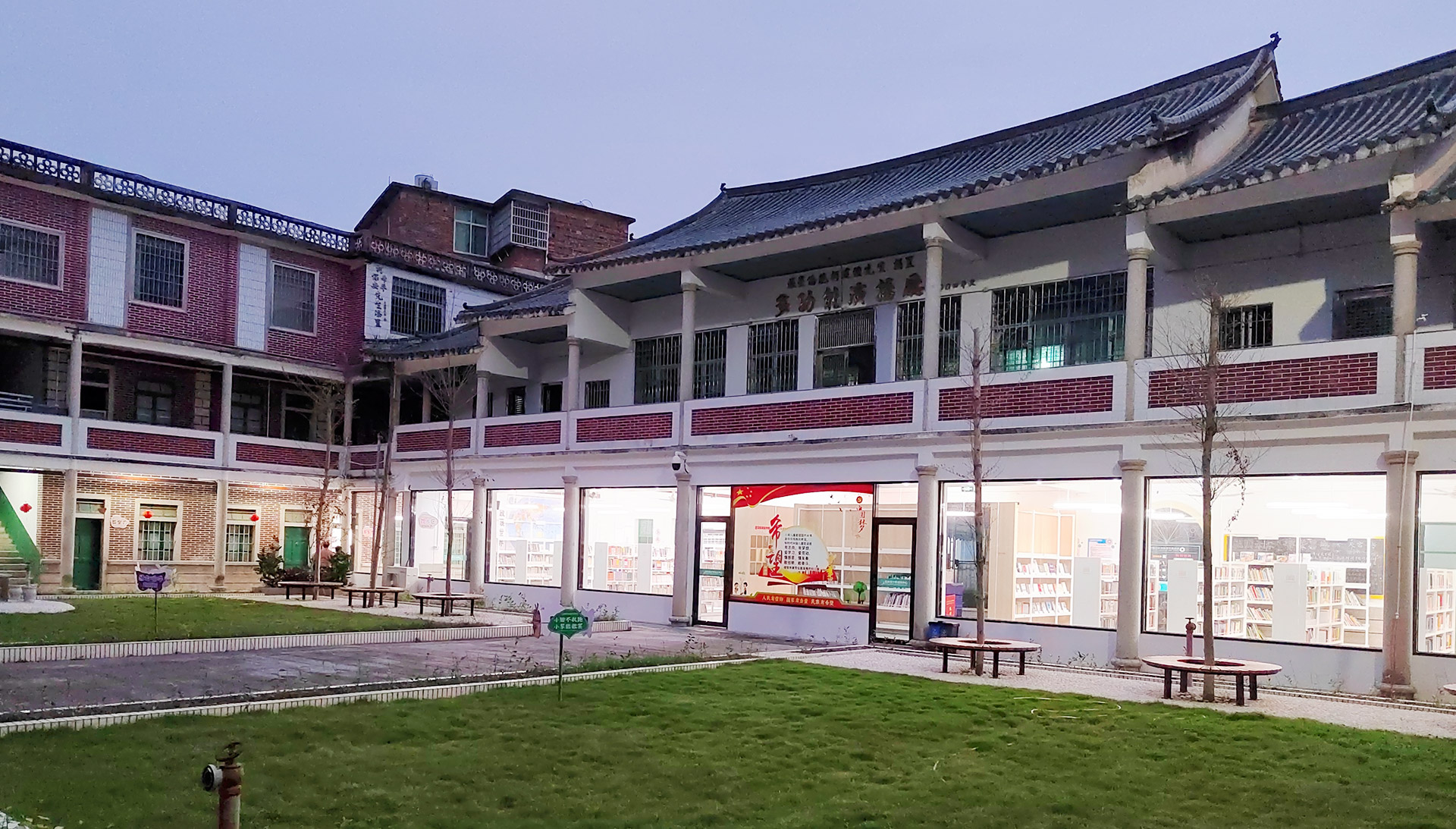
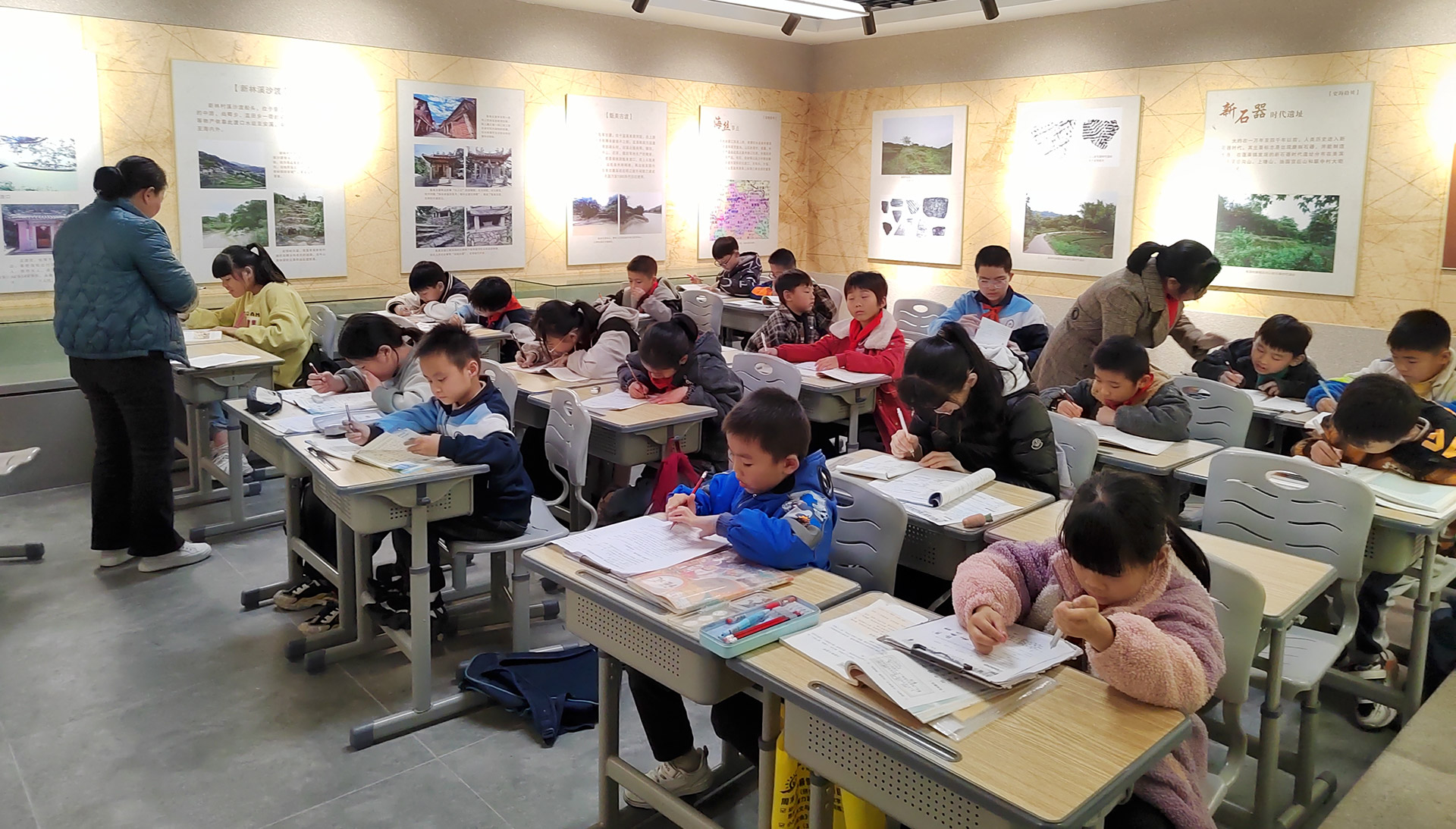
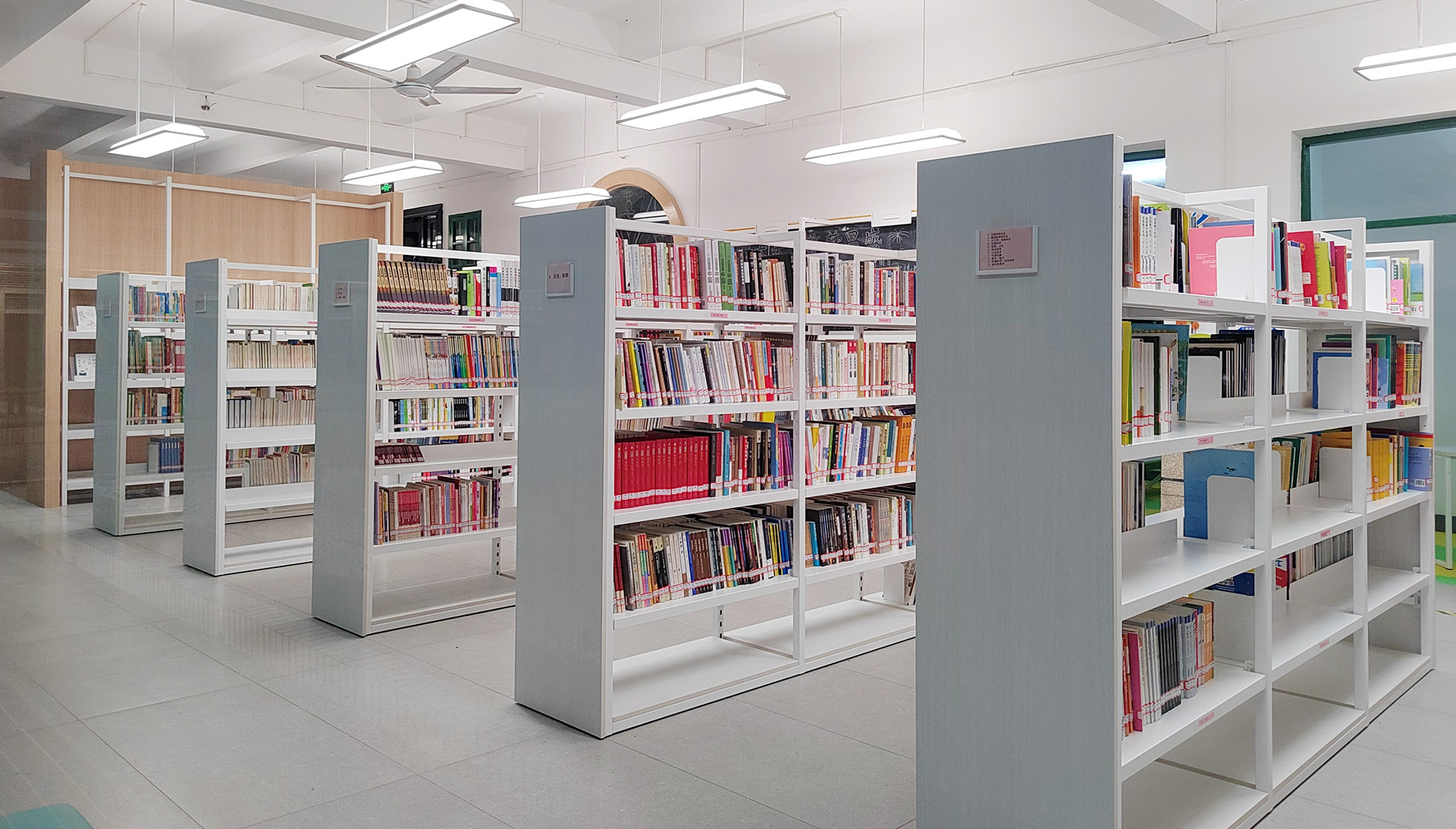
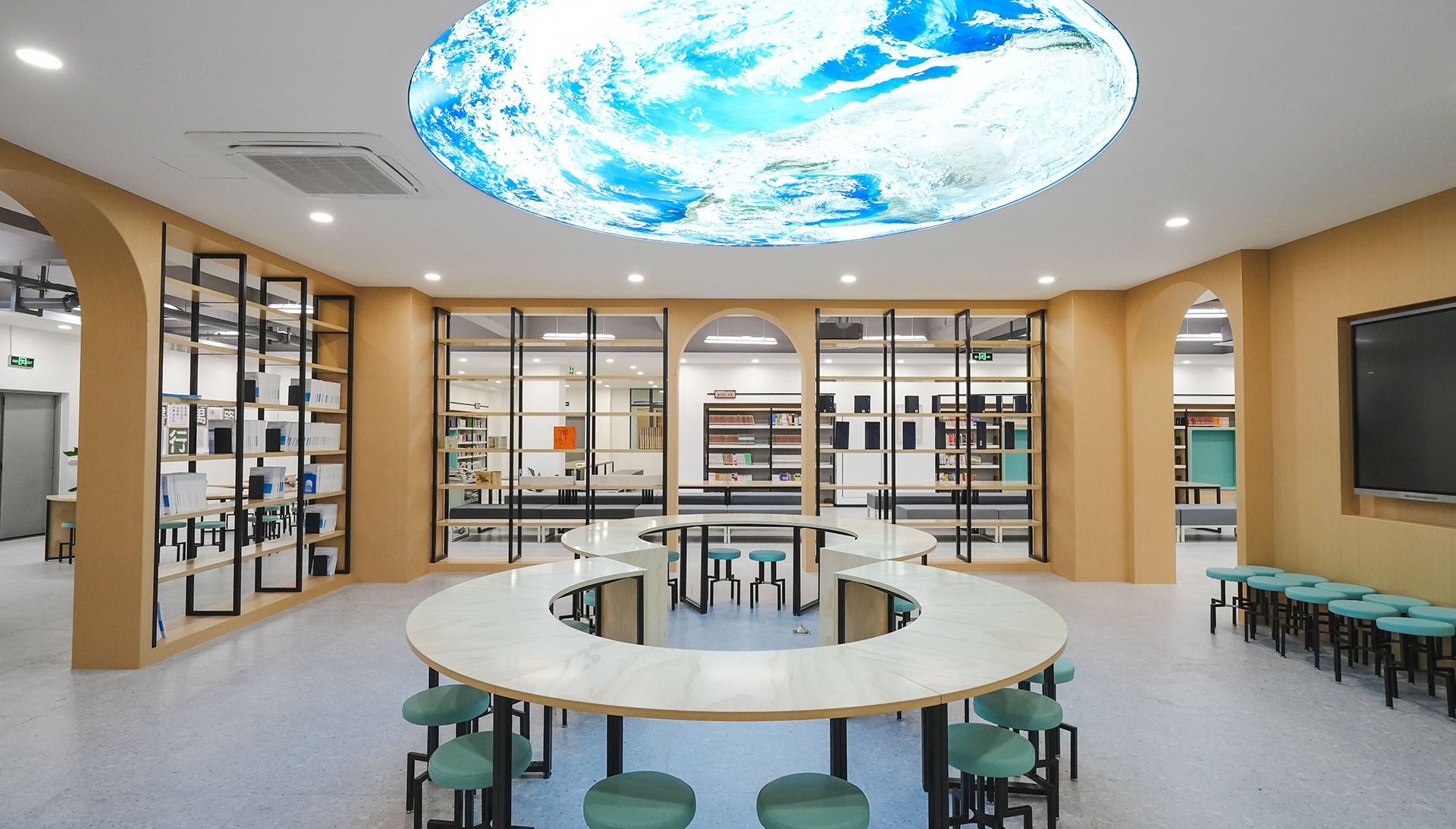
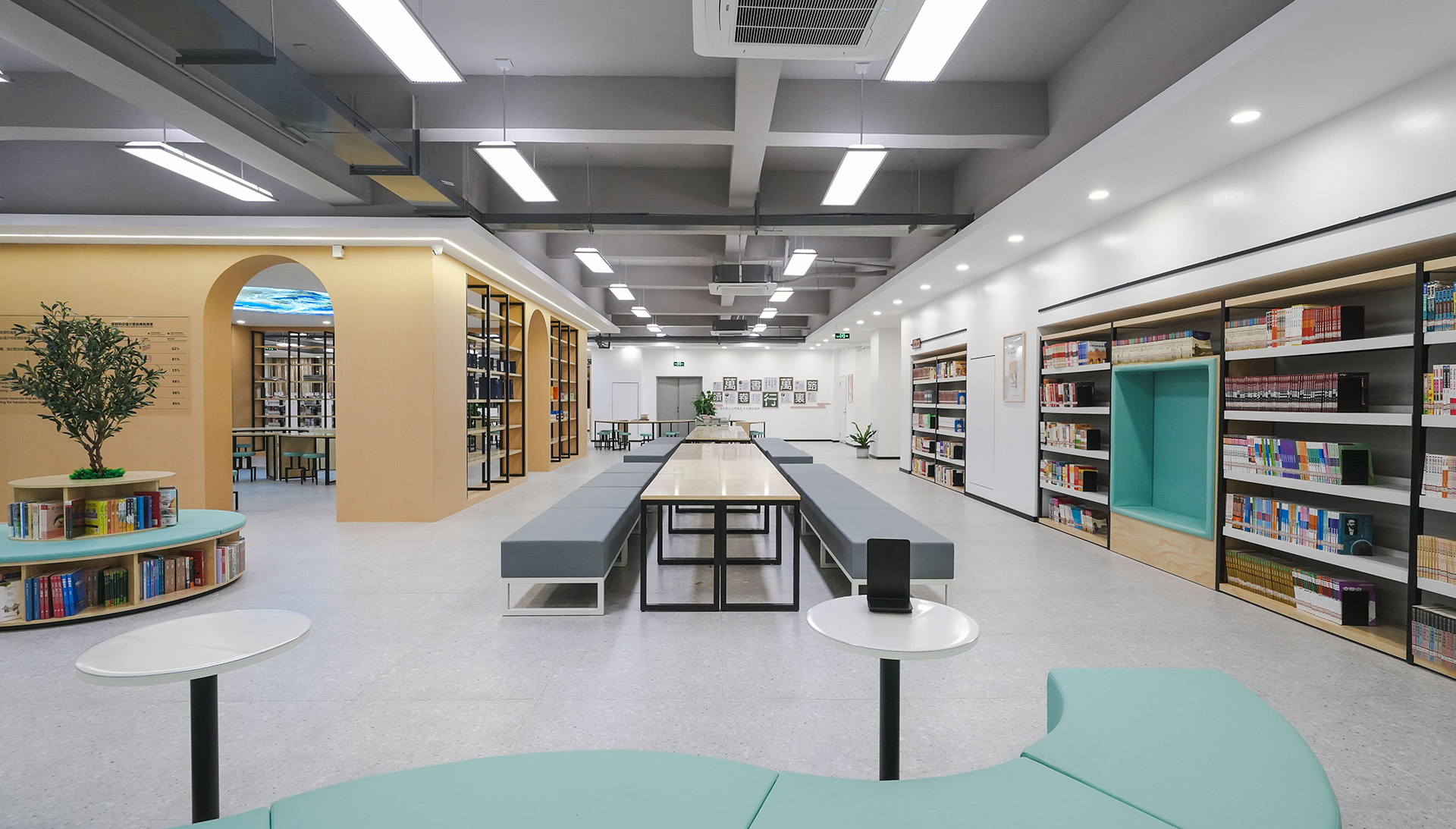
Suntop is committed to creating safe, inspiring spaces where "left-behind" children can learn, grow and imagine a brighter future. At the Sunshine Youth Development Centre, we transformed recycled retail displays into functional desks and bookshelves, turning reclaimed fixtures into essential educational resources. This initiative is not only about giving back to the community; it demonstrates how sustainable design can create lasting, positive change for children who need it most.
During the summer, the school organised a wide range of enrichment classes-including science, art, mathematics, dance, English and chess-benefiting more than 200 children every day. The teaching team comprised university students from across China, who devoted their holidays to sharing knowledge, encouragement and new perspectives with the children.
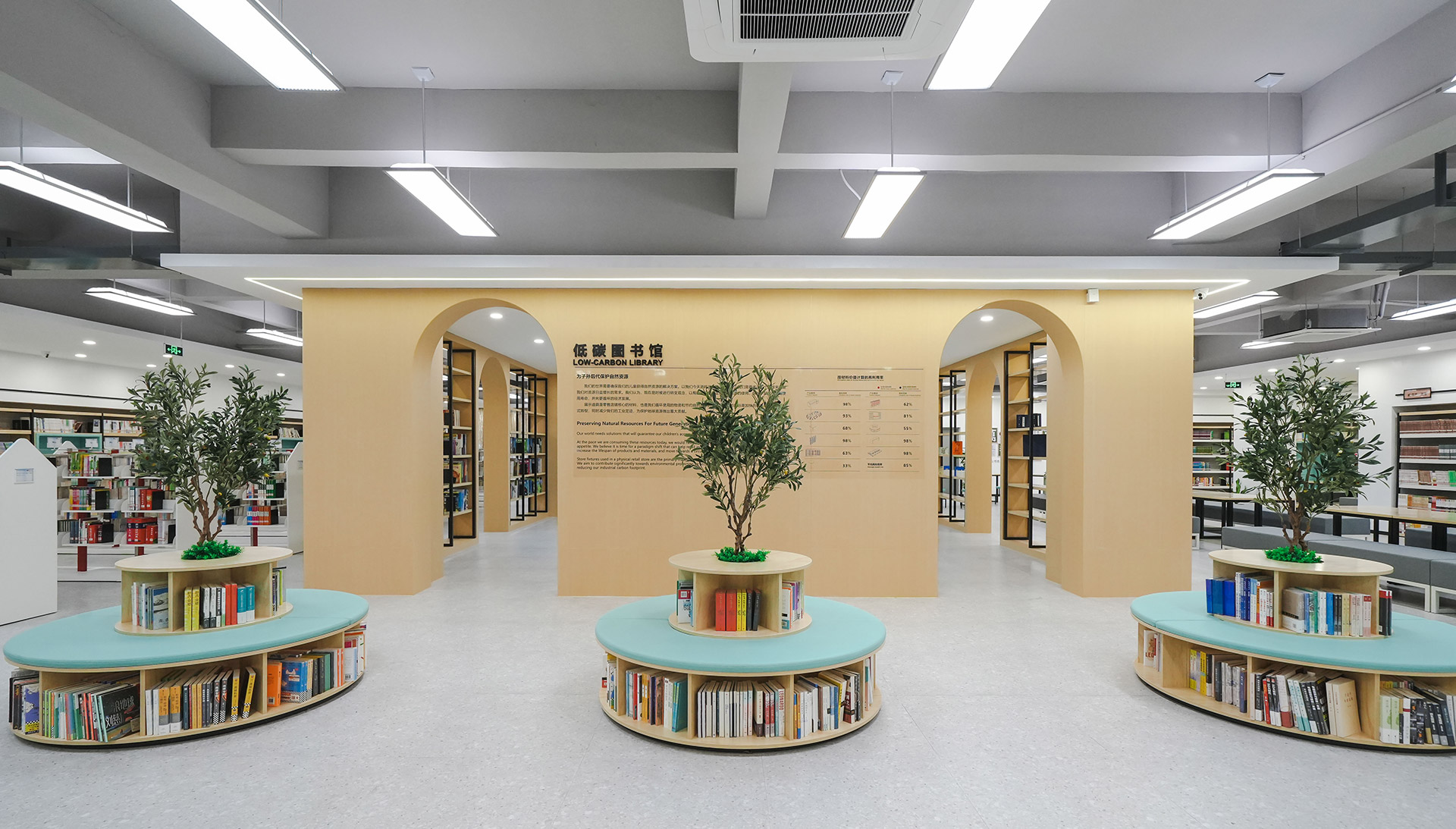
In 2025, our Low-Carbon Library at the Sunshine Youth Development Centre was named an Outstanding Case by the China General Chamber of Commerce Shop Fitting and Display Association. Created through the creative redesign of fixtures reclaimed from a retail store, the library showcases how circular design can deliver both environmental responsibility and social value. This accolade reaffirms our belief that true innovation combines sustainability with community benefit, transforming reclaimed materials into spaces of purpose and inspiration.
-
Suntop is deeply committed to sustainable design, circularity and community-focused innovation. Across multiple projects, we work to transform retired retail fixtures into inspiring public spaces that promote environmental awareness and educational opportunity.
In Fujian Province, the Guanyinshan Low-Carbon Library showcases this approach. By ingeniously repurposing materials from retired store fixtures, Suntop created a low-impact learning environment that serves as both a functional library and an educational platform. The space is dedicated to teaching young pupils about sustainable practices and the principles of circular design, helping to foster environmental responsibility from an early age.
Our efforts have been recognised through major industry and sustainability accolades, including:
• iF Design Award 2025** for the Guanyinshan Low-Carbon Library, one of the world's most respected honours in design
• Best Sustainable Development Award 2025** from the Green Finance Forum of 60 (GF60) at the 4th Green Finance North Bund Forum
Flagship initiatives such as the Guanyinshan Music School Library, a renewed flagship client retail store and the 1.5°C Library demonstrate how we integrate low-carbon thinking, circular material use and community impact into our projects, advancing sustainable practice in the shopfitting and retail environments industry.

Governance
-
Our ESG programme is grounded in strong governance and a culture of integrity. We operate with compliance-driven management and responsible business practices, ensuring that our decisions align with both regulatory requirements and our own ethical standards. For example, as an FSC chain-of-custody certified company, we can trace certified wood-based materials from source to finished fixtures, giving clients documented assurance on responsible sourcing.
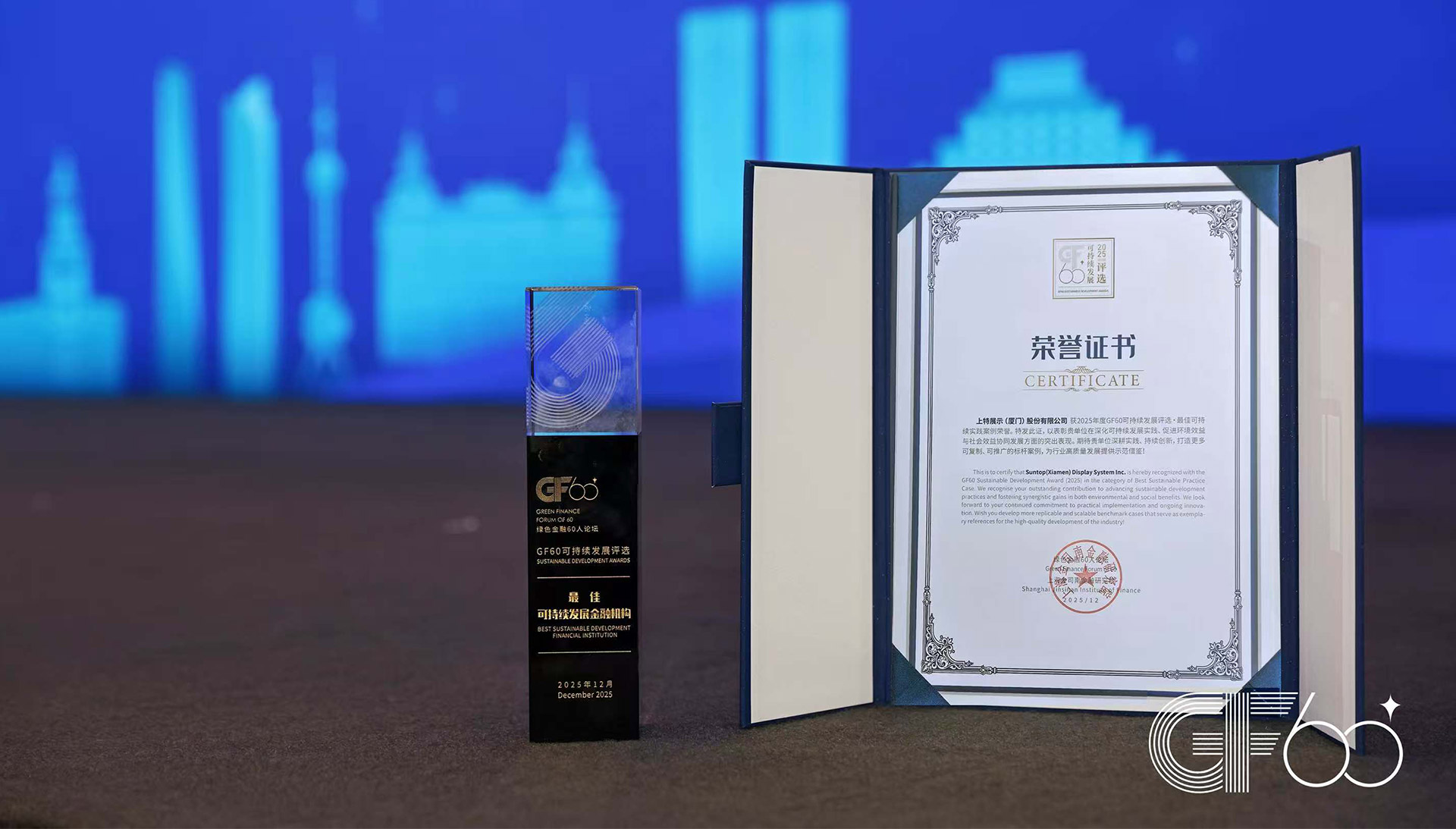
2025 Best Sustainable Development Award by Green Finance Forum of 60
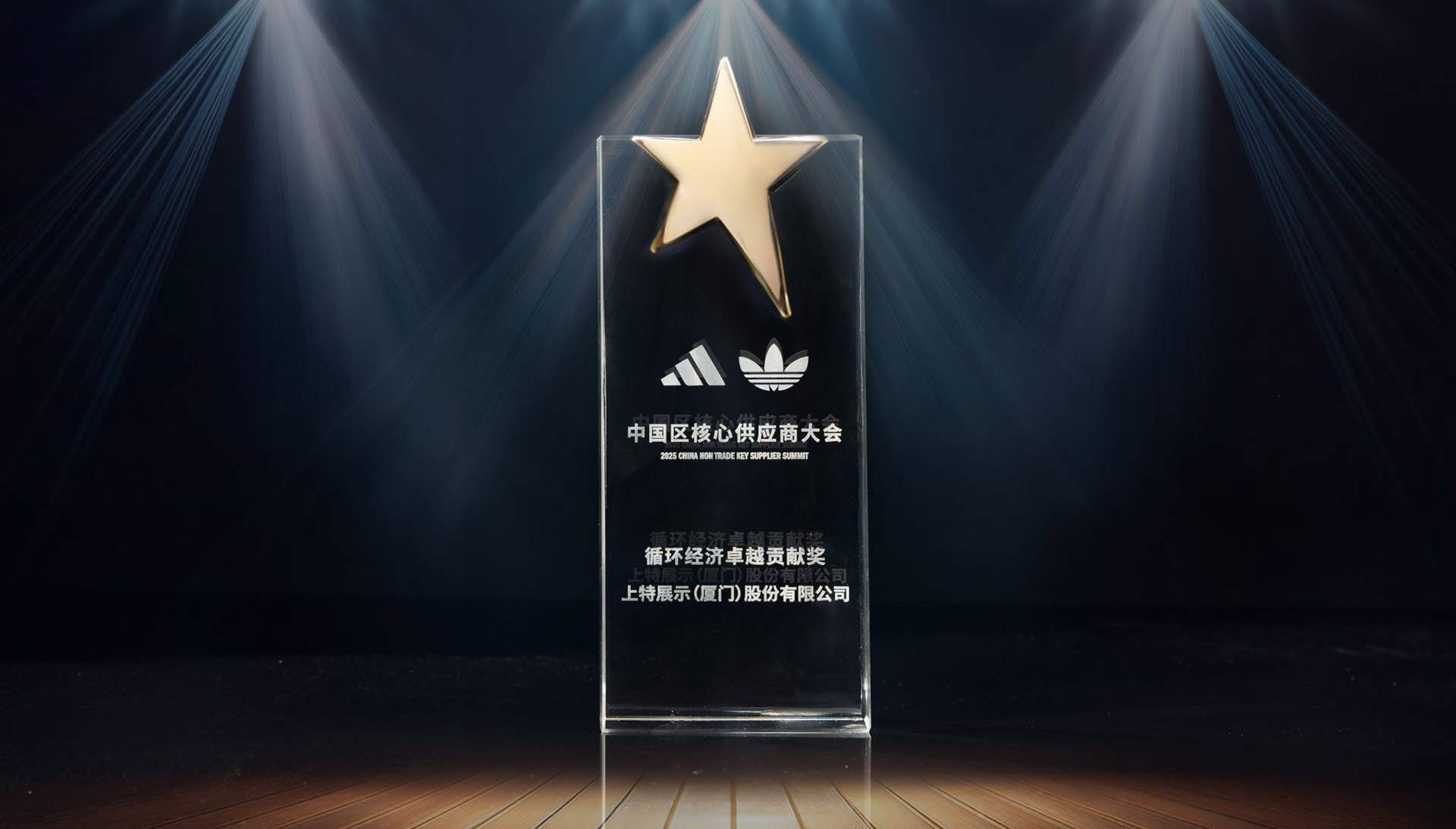
Excellence in Circular Economy Award, presented by adidas China during Key Supplier Summit 2025
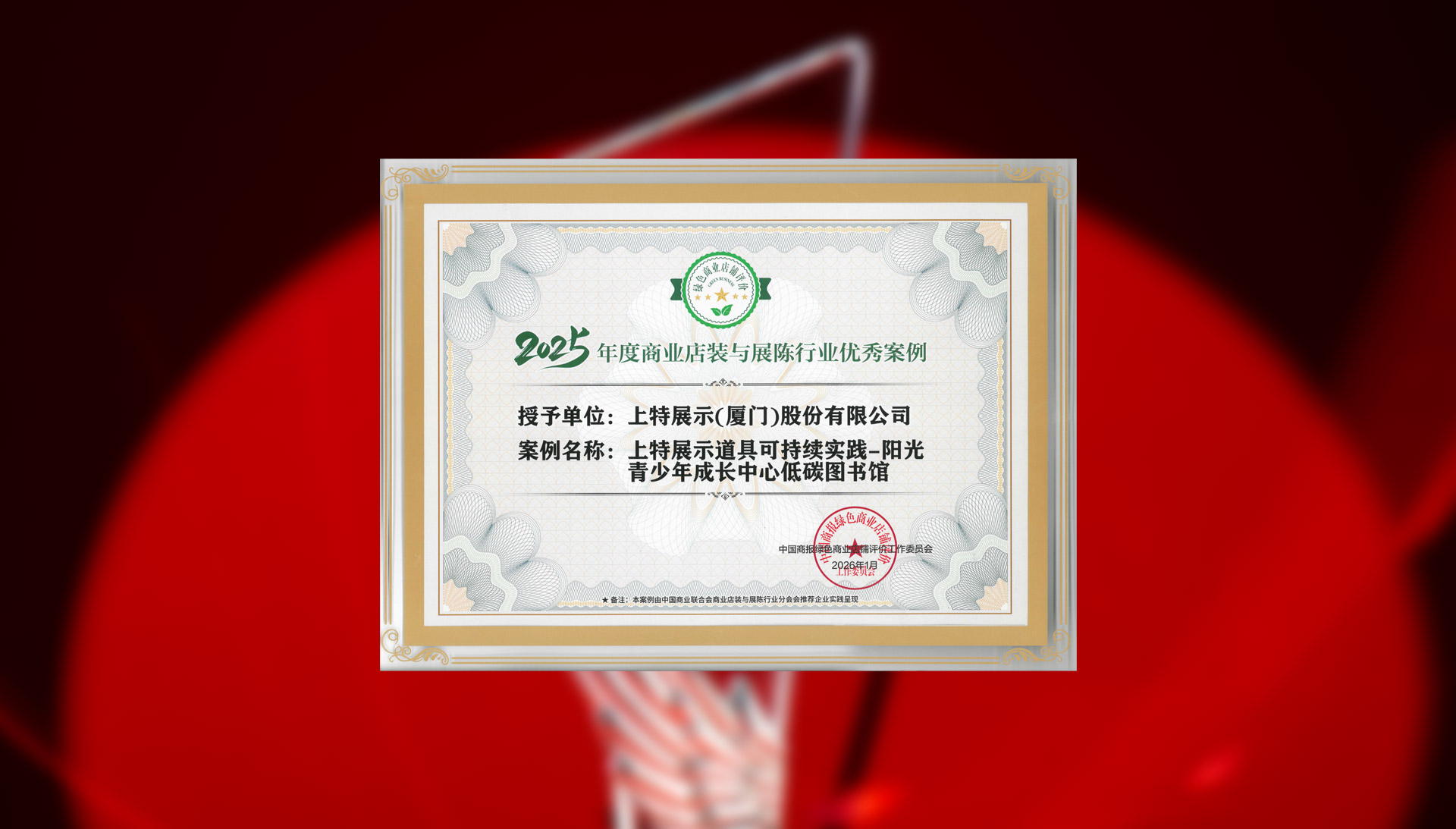
Special Recognition by China General Chamber of Commerce Shop Fitting and Display Association for our contribution of low-carbon library to Sunshine Youth Development Centre
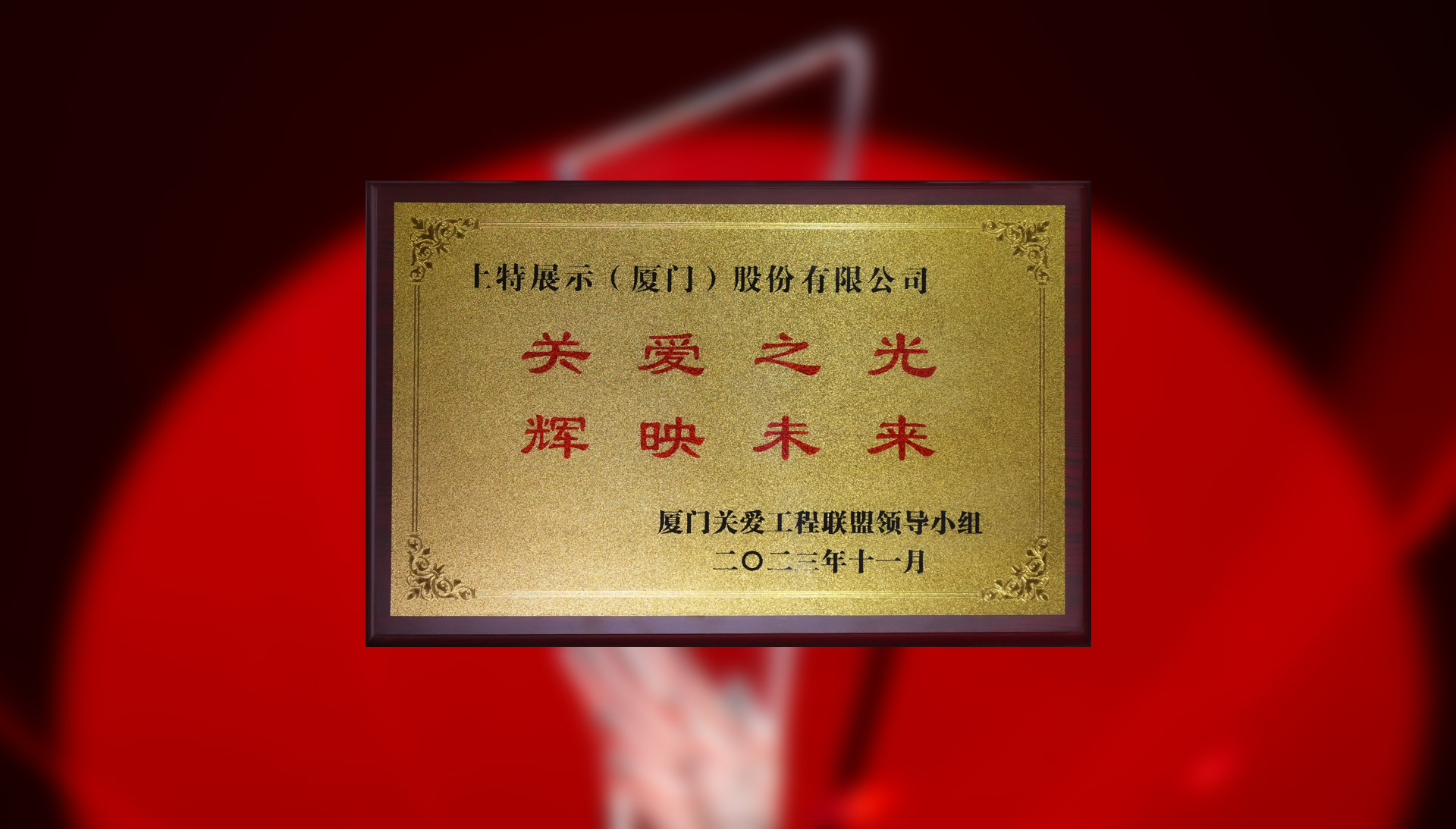
We were honored with the "Light of Care · Shining into the Future" award, presented by the Xiamen Care Project Alliance Leadership Group, in recognition of our active fulfillment of social responsibility and continuous improvement in corporate governance practices
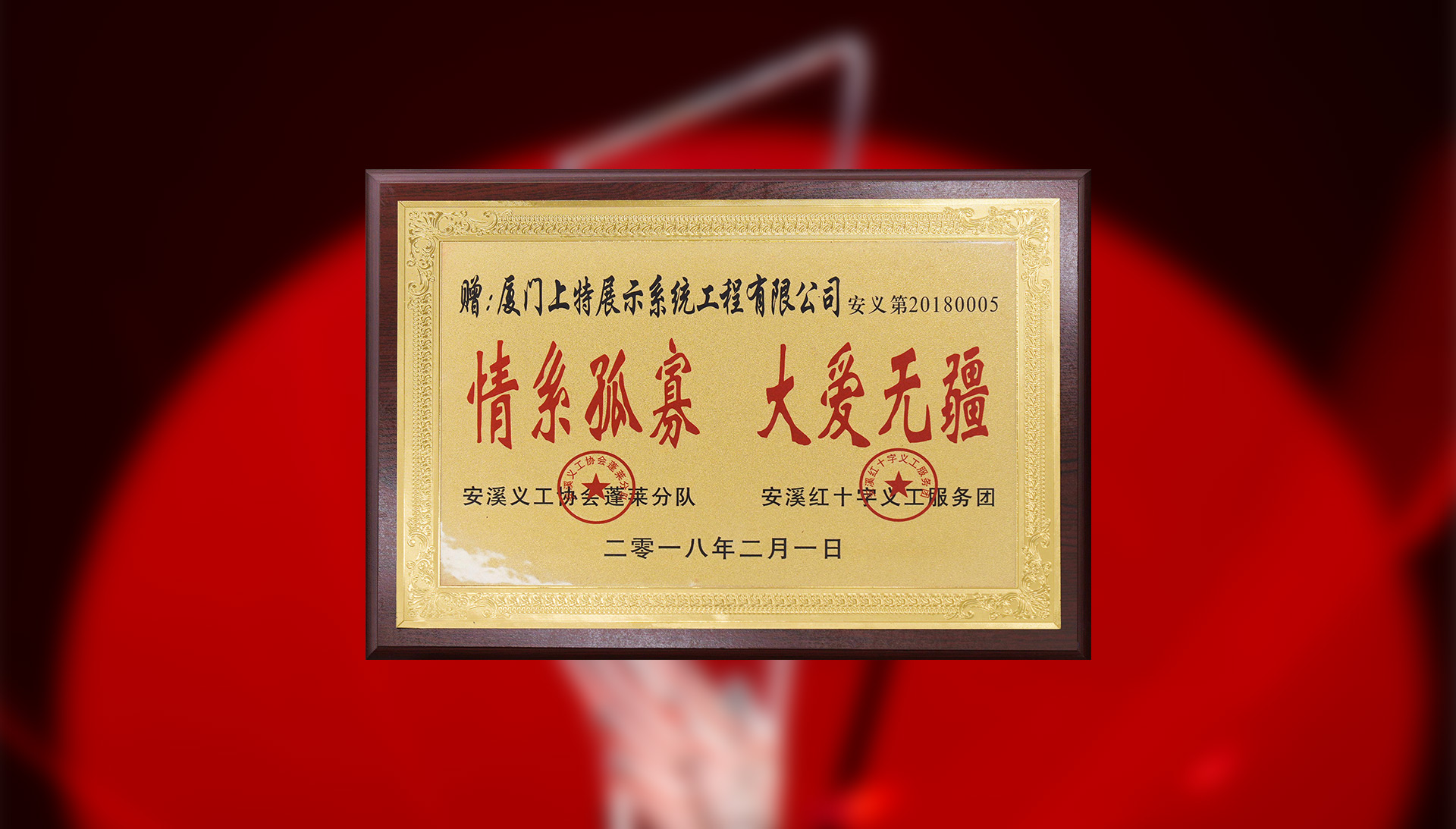
We were honored with the "Caring for Our Community · Boundless Love" award in recognition of our active participation in charitable giving and our commitment to corporate social responsibility, jointly presented by the Anxi Volunteer Association and the Anxi Red Cross Volunteer Service Team
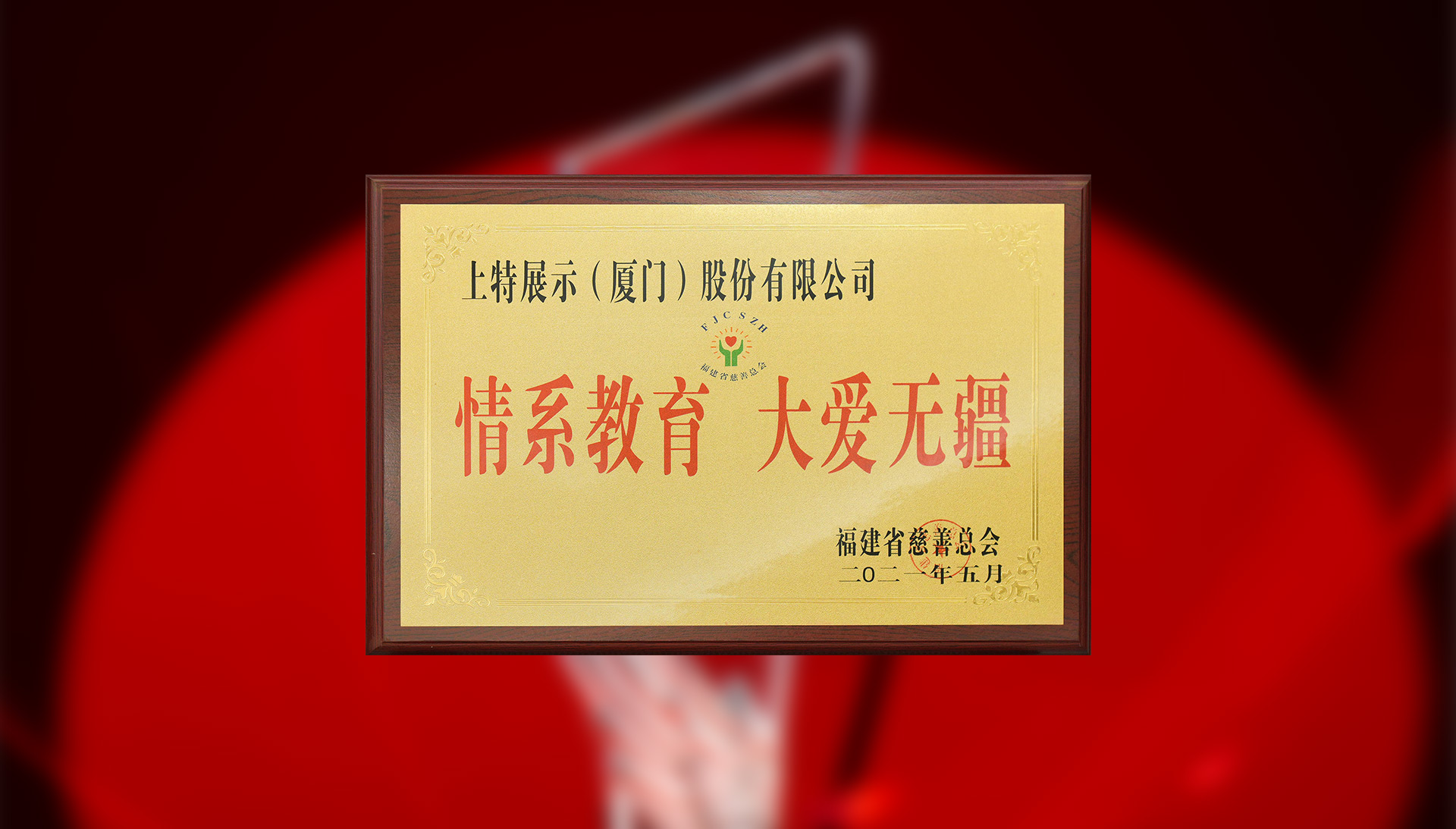
We were honored with the "Caring for Education · Boundless Love" award by the Fujian Charity Federation, in recognition of our sustained support for educational philanthropy and our commitment to responsible and well-governed charitable practices
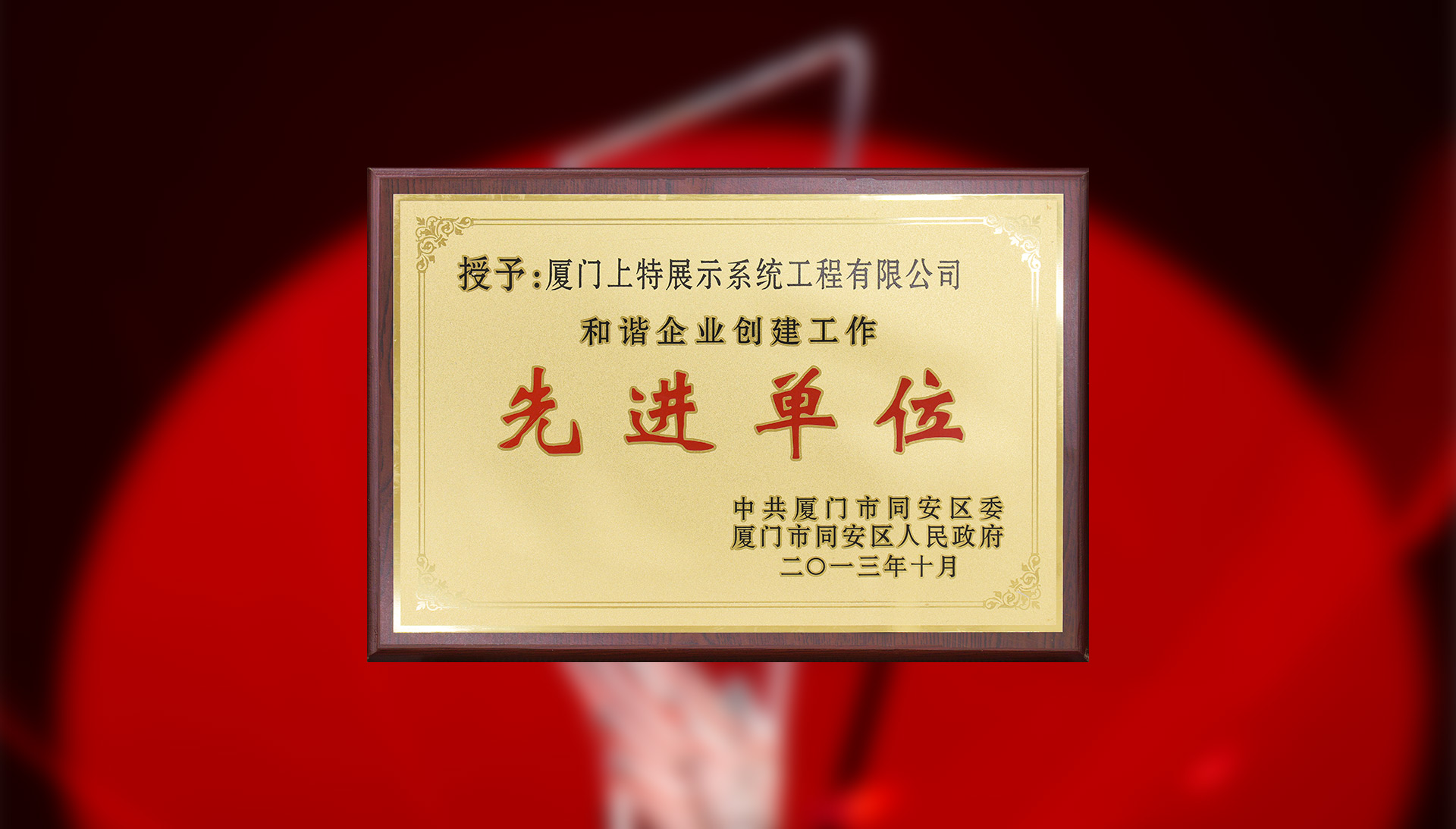
This plaque reflects Suntop's continued commitment to strong corporate governance and harmonious enterprise development, highlighting our responsibility and performance within the ESG Governance (G) framework
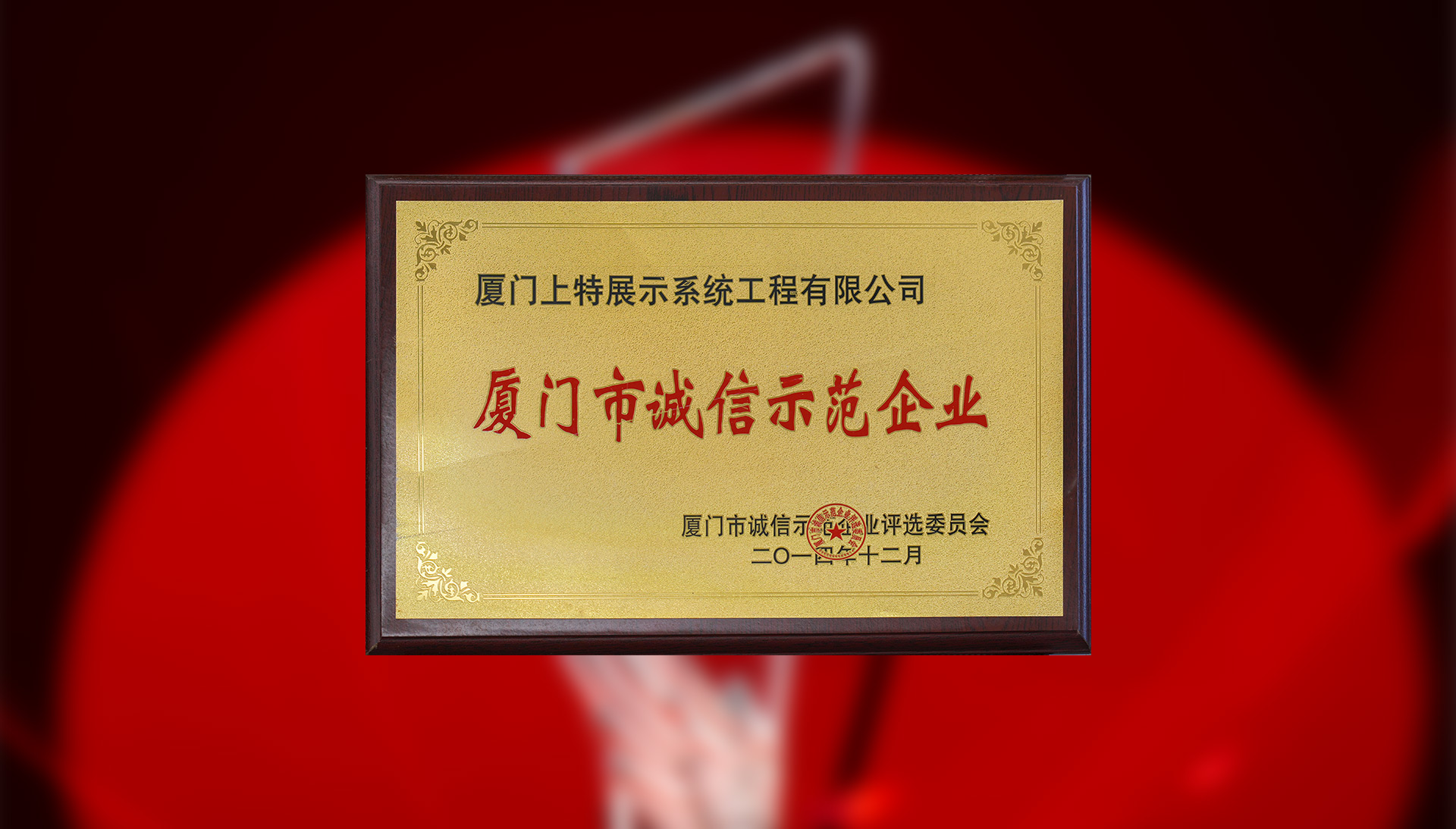
This plaque recognizes Suntop (Xiamen Suntop Display System Engineering Co., Ltd.) for its commitment to integrity and trustworthy business practices, demonstrating our strong standards and accountability within ESG Governance (G)
-
Environmental Responsibility
• Low-carbon production processes
• Sustainable material selection
• Environmental impact reduction throughout value chain
• Eco-friendly manufacturing practices -
Social Commitment
• Focus on vulnerable groups (left-behind children)
• Educational support programs
• Community infrastructure improvements
• Employee welfare and development
• Youth leadership initiatives -
Governance Integrity
• Compliance-driven management
• Responsible business practices
• Transparent partner collaboration
• Ethical decision-making
• Inclusive growth principles


TO BE THE STORE FIXTURE PARTNEROF CHOICE FOR RETAIL BRANDS
-
 Tel:
Tel:+86-592-3605599
-
 Email:
marketing@suntopgroup.com